
Quick answer: A roadside emergency kit for a dead battery should help you stay visible, contact assistance, follow your vehicle manual, and make a calm decision about whether it is safe to do anything at all. A jump starter can be useful, but it is not a substitute for a safe location, correct vehicle-specific instructions, or professional help when warning signs are present.
Start with the scene, not the battery
A no-start situation is frustrating, but the first decision is not which tool to reach for. It is whether the location is safe enough to remain where you are. Fast traffic, poor sightlines, extreme weather, an unfamiliar area, injury, smoke, leaking fluid, collision damage, or a vehicle positioned in a travel lane can all change the right response. In those situations, create distance from danger when you can do so safely and contact roadside or emergency assistance as appropriate.
That order matters because a discharged battery is only one possible reason a vehicle will not start. Treating every no-start as a simple battery problem can encourage rushed decisions. The kit should make the safer option easier: it should help you be seen, communicate clearly, find the correct instructions, and wait comfortably if waiting is the right call.
The core roadside kit
Build the kit around jobs rather than around a long shopping list. Keep it in a single, weather-protected bag or bin that is easy to reach without unloading the vehicle. Review the contents at least seasonally and after you use any item. The best kit is one whose contents you recognize and can locate in low light.
- Visibility: a reflective vest, warning triangles or another lawful visibility aid, and a flashlight with a known power source.
- Communication: a charged phone, a vehicle charging cable, roadside-assistance details, and a written emergency contact number in case the phone is unavailable.
- Vehicle information: the owner’s manual, registration and insurance information where appropriate, and any model-specific roadside instructions supplied by the manufacturer.
- Personal protection: work gloves, drinking water, weather-appropriate layers, and basic first-aid supplies suited to your needs.
- Problem assessment: a small notepad or phone note for the location, warning lights, sounds, and the sequence of events leading to the no-start.
None of these items turns an unsafe roadside repair into a safe one. Their value is that they reduce pressure: you can see, be seen, call for help, and provide useful information without guessing. Store the kit where every regular driver can find it, and show them its contents before an emergency makes even a simple task feel rushed.
Where a jump starter fits
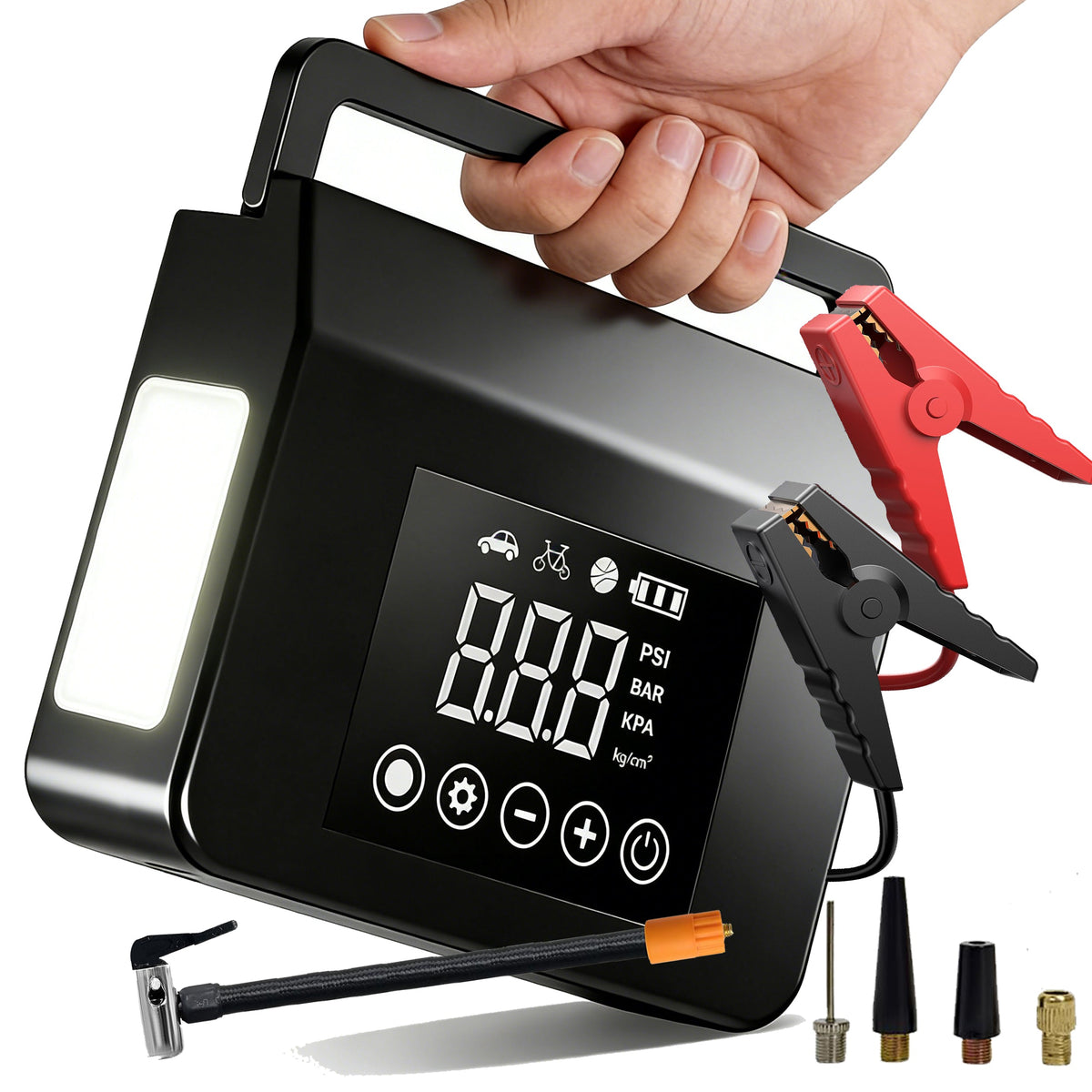
A portable jump starter may be one part of a prepared kit when it is compatible with your vehicle and you understand the manufacturer’s instructions. Before buying or packing one, confirm the intended vehicle type, battery system, operating directions, storage requirements, included accessories, and any limitations stated on the product page and in your vehicle manual. Do not treat a product listing as a replacement for vehicle-specific guidance.
The HIEHA car jump starter collection is a useful place to review current options. If you are comparing a specific model, check the current HIEHA 4-in-1 jump starter page for its listed contents and instructions before making a decision. Availability and product details can change, so confirm the live page rather than relying on an older screenshot, review, or checklist.
Keep the unit and its cables in good condition. Do not use a device with damaged clamps, exposed conductors, swelling, leakage, unusual heat, or unclear instructions. If you are unsure about a connection point, battery type, or a warning displayed by the vehicle, stop and seek qualified assistance. A no-start that repeats after a successful start also deserves a proper diagnosis instead of repeated attempts.
Make a clear go/no-go decision
Use a short decision check before opening the hood or connecting any equipment. The point is not to diagnose the vehicle from a distance; it is to identify conditions that make a roadside attempt inappropriate. The table is deliberately conservative. When in doubt, choose help over improvisation.
| What you notice | Safer next step |
|---|---|
| You are in moving traffic, a blind curve, severe weather, or another exposed location. | Prioritize visibility and getting assistance. Do not begin roadside work just because a tool is available. |
| There is smoke, a burning smell, leaking fluid, damage after a collision, or unusual heat. | Do not attempt a jump-start. Move to a safer position if possible and request appropriate professional help. |
| The manual does not clearly identify the connection points or procedure for your vehicle. | Pause and use the manual, the manufacturer’s support resources, or qualified assistance rather than guessing. |
| The vehicle starts, but warning lights remain on or the same problem returns. | Arrange diagnosis. A temporary start does not establish the cause of the no-start. |
Prepare before an emergency
Preparation is more useful when it happens in daylight at home. Read the relevant manual sections, identify where the kit lives, and make sure every adult driver knows how to contact assistance. If the vehicle manufacturer permits a particular procedure, review it before the stressful moment arrives. Never practice by bypassing a manufacturer warning or by using equipment that is not intended for your vehicle.
Also check the items that people overlook: a dead phone, a missing charging cable, a flashlight with corroded batteries, an expired membership number, or a kit buried below luggage. The HIEHA car accessories collection can help you explore current roadside-oriented accessories, but select gear based on your actual vehicle, climate, and the instructions you can follow confidently.
When to call for help
Call for assistance when the situation feels unsafe, when you cannot confirm the correct procedure, or when the vehicle shows signs of a problem beyond a routine no-start. Explain your exact location, vehicle description, whether you are in a safe place, and the symptoms you observed. Those details help the responder arrive prepared and can be more useful than a guess about the cause.
For questions about a current HIEHA product, use HIEHA support and keep the product information handy. For vehicle operation and service decisions, follow the vehicle manufacturer’s documentation and qualified service guidance. A product support team cannot replace the instructions and diagnosis specific to your vehicle.
The bottom line
A practical roadside emergency kit for a dead battery is a safety-and-decision kit first: visibility, communication, vehicle-specific instructions, personal essentials, and equipment you understand. Check the kit before you need it, confirm current product details on the live pages, and stop whenever the scene or symptoms make a roadside attempt a poor choice.
Share:
Portable CarPlay Screen vs. Built-In Head Unit: How to Choose