
Parked cars make a street feel predictable right up to the moment a door opens, a vehicle pulls out, or a passenger steps into the path. The useful habit is not to memorize a perfect strip of pavement. It is to notice the places where a parked vehicle can change the space, choose a line that leaves you time to respond, and keep a calm alternative ready when the street becomes too tight.
This is a model-neutral e-bike riding checklist, not a traffic-law lesson or a promised safe distance. Follow the current rules, signs, lane markings, and access rules where you ride. Your local road design, traffic, weather, visibility, bicycle controls, and comfort all matter. If the available space is unclear, traffic is moving unpredictably, or you cannot hold a steady line with room to react, slow down where lawful, wait, or choose another route.
Recognize the door zone before you enter it
A door zone is simply the area beside parked vehicles where an opening door, a person getting out, or a vehicle beginning to move can change your path. NHTSA’s bicycle guidance tells riders to watch parked cars for opening doors and cars pulling out. That is a cue to stay observant, not a reason to assume that every car will behave the same way. Look for occupied vehicles, brake lights, wheels turning, gaps in traffic, people in the front seat, delivery activity, and anything that suggests the scene may change.
Start looking well before you are beside the vehicle. If you wait until a door is already opening, the choice can become a hurried swerve or hard stop. Looking ahead gives you time to reduce speed, select a steadier line, or wait for a clearer gap. It also helps you avoid fixing your attention on one car while missing a driveway, a person walking out, a rough surface, or traffic coming from behind.
Set up a ready rider and a ready bike
Near parked cars, small distractions become larger ones. Secure a bag, put the phone away, and keep loose clothing or accessories away from controls. Wear a correctly fitted helmet and use the current owner’s manual for the bike’s own controls and warnings. If a control, steering response, brake feel, tire, or warning seems unfamiliar, pause before taking that uncertainty into traffic. The e-bike brake-check guide is a useful reminder to notice a change rather than trying to diagnose it while riding.
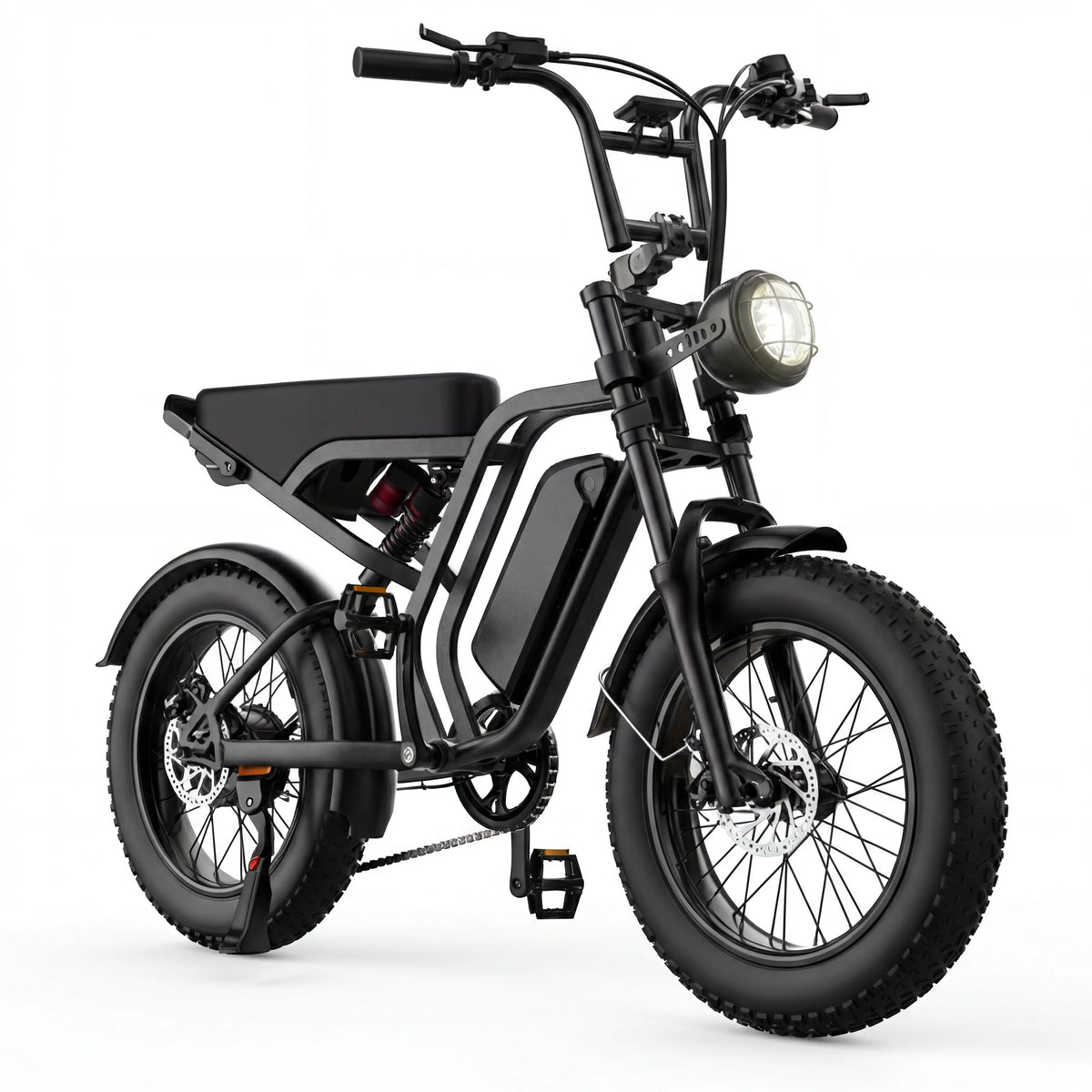
For current model and support information, start with the HIEHA e-bike collection or a current page such as the HIEHA SU8 1.0. Those pages do not replace your bike’s manual or local riding rules. This article makes no claim that a particular model has a special door-zone setting, braking distance, or roadway position; the rider’s preparation and the actual conditions remain the decision point.
Choose a line you can hold steadily
Use the lane, bicycle facility, road markings, and rules that apply to your location. On a street with parked cars, resist the urge to weave toward and away from every gap. A predictable line gives you more attention for the people and vehicles around you. It also makes your movement easier for others to interpret. But predictable does not mean rigid: a narrowing lane, an opening door, debris, a construction zone, or a vehicle pulling out may mean the safer decision is to slow down, wait, or take a different lawful option.
Avoid turning one hazard into another. Moving away from a parked car without checking the space behind or beside you can put you into a new conflict. Scan ahead and behind as appropriate before changing position, and do not count on a mirror, sound, or eye contact to show every road user. The goal is to preserve a stable path and time to decide—not to force yourself through a space that feels squeezed.
Read parked cars as active places
Think of a row of parked cars as a set of possible movements, not as a wall. A vehicle may pull out, reverse, unload, receive a passenger, or open a door without giving you much warning. Driveways, alleys, ride-share stops, curbside deliveries, and parking-lot entrances add more places for a vehicle to change direction. Slow your decision-making before these areas, look for movement, and keep your attention outside the screen or route prompt.
Do not assume an empty driver’s seat means an empty vehicle, or that a stopped car will remain stopped. Likewise, do not make assumptions about what a driver has seen. Treat a wave or eye contact as incomplete information and continue watching. When the street has multiple changing elements, the simple reset—reducing speed, keeping both hands on the bar, and waiting for a clearer picture—can be more useful than trying to solve every uncertainty while moving.
Keep turns and signals inside a larger plan
When you need to turn or change position near parked cars, first make sure the movement is lawful and that you have enough room to remain controlled. NHTSA recommends looking before turning and signaling before a turn when it is safe to do so. The hand-signal checklist explains why a signal is communication rather than permission: practice one-handed control away from traffic, scan before moving, and return both hands to the bar when control demands it.
Intersections deserve their own decision process. A parked vehicle can hide a person, a sign, or the beginning of a turn conflict, so arrive with time to read the space rather than racing a gap. The intersection checklist covers signs, signals, conflict scans, and the option to reset when a crossing is unclear. A hand signal, a lane marking, or a driver’s gesture does not remove the need to follow the control that applies to you.
Adjust for low light and imperfect visibility
Parked-car risks are harder to judge when light is fading, rain is reducing contrast, or glare makes a windshield difficult to read. Plan for a slower, more conservative decision process when you cannot see clearly. Check your route and visibility setup before leaving, then be ready to end or change the ride if the conditions no longer support comfortable attention. The low-light e-bike checklist is a separate readiness routine for dusk and night, not a promise that lighting makes every road situation safe.
Surface conditions matter too. Potholes, drain grates, leaves, painted markings, and debris can make an abrupt movement harder to control. Look far enough ahead to notice a surface change without staring at it. If avoiding an obstacle would require a sudden swerve into traffic or toward an open door, slow down or stop where appropriate and reassess. Keeping a little decision time is more useful than trying to maintain a preferred pace.
Use a reset when the margin disappears
A reset is the option you choose when the space no longer feels clear. It may mean slowing, stopping in a lawful place, waiting behind a vehicle, walking the bike where permitted, or taking a different block. It is not an admission that you made a mistake. It is a way to avoid turning a changing street into a rushed maneuver. Do not let another person’s impatience decide the amount of space you need to make a controlled choice.
Repeated uncertainty is useful information. If one-handed signaling, scanning behind, riding beside traffic, or judging changing spaces does not yet feel consistent, practice basic skills in a quiet, lawful area or seek qualified local instruction. You do not need to prove that you can handle every street today. The better goal is to match the route and conditions to the skills you can use steadily right now.
E-bike door-zone checklist
| Before the block | Beside parked cars | When the space changes |
|---|---|---|
| Read signs, markings, traffic flow, driveways, and the available width before committing to a line. | Look for occupied vehicles, doors, people, brake lights, wheel movement, and curbside activity. | Keep both hands on the bar, reduce speed where lawful, and wait or choose a clearer option. |
| Secure gear, use the manual’s pre-ride guidance, and pause for an unfamiliar control or brake response. | Keep a line you can hold without weaving; scan before any change in position. | Do not rely on a mirror, eye contact, a wave, or a signal as a complete safety check. |
| Leave time for poor visibility, surface hazards, and route changes rather than depending on a narrow gap. | Signal a planned movement only when you can stay controlled and follow the local rule that applies. | Practice or seek instruction if the basic skill is not yet comfortable in a low-pressure setting. |
Riding near parked cars is less about finding a magic line than about staying alert to a changing space. Look ahead, expect the curbside scene to move, follow the rules that apply, and keep the reset available. A little more time to see and decide is worth more than trying to thread through a situation that has stopped being clear.
Share:
E-Bike Hand-Signal Checklist: Practice Turns Before Traffic