
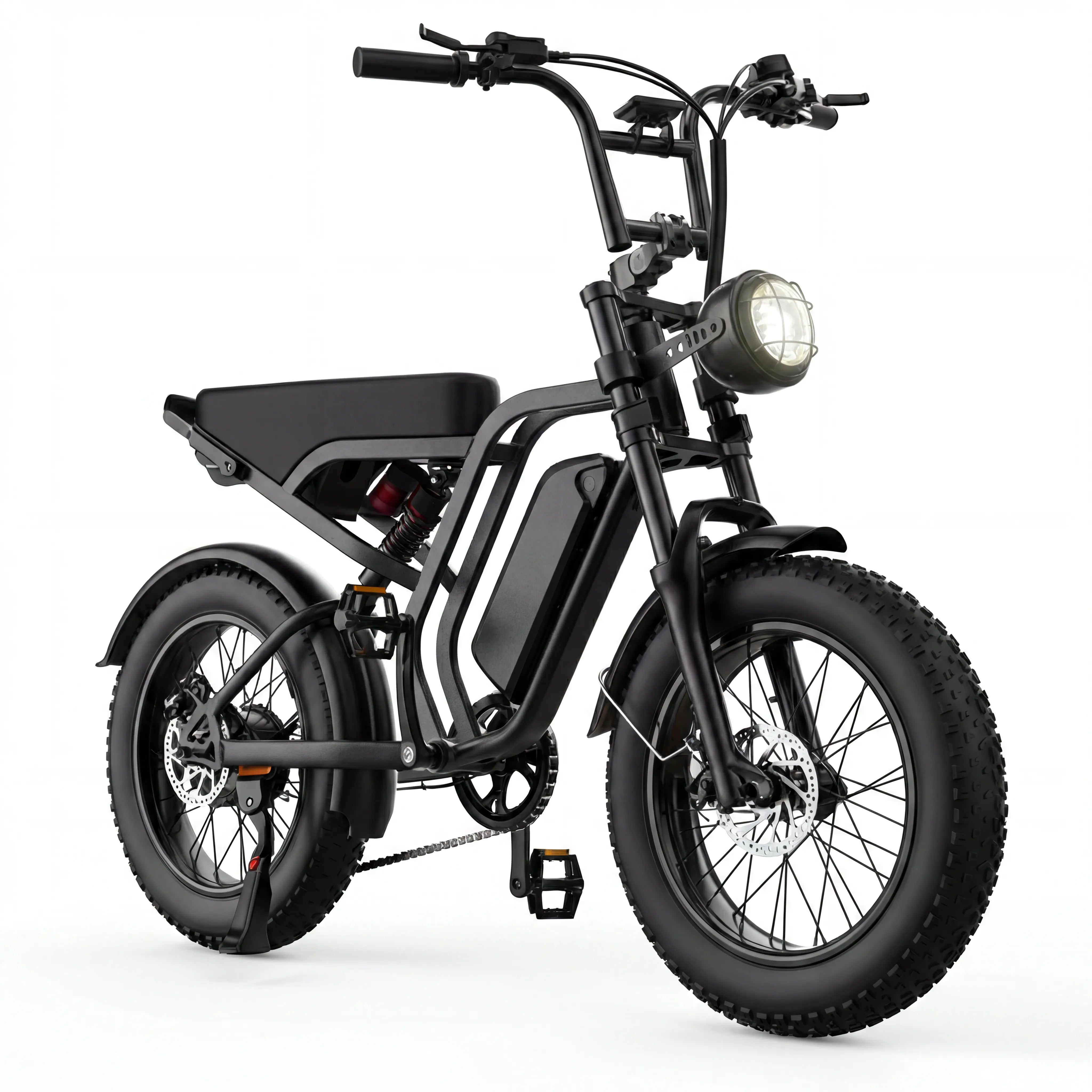
Quick answer: A shorter E-Bike ride usually reflects a change in conditions, setup, route demand, or battery performance—not one number on the display. Compare similar rides, check the simple mechanical causes first, and stop using the battery if it is damaged, swollen, leaking, unusually hot, or has an abnormal odor.
Start with a like-for-like comparison
Before treating a shorter ride as a battery failure, compare two or three rides that are genuinely similar. Note the distance, assist setting, throttle use if applicable, rider and cargo load, temperature, wind, route direction, hills, surface, and how many times you stopped and started. A cold morning, a strong headwind, a hillier detour, or a heavier bag can change energy use substantially. One difficult ride is useful information, but it is not a diagnosis.
Use a simple note on your phone. Record the battery indication before leaving, at the turnaround point, and on arrival. Include anything that was unusual: a new noise, a tire that looked soft, a brake that rubbed, or a charger that behaved differently. The goal is not laboratory precision. It is to separate a repeatable change from normal variation in real riding.
Check the easy mechanical causes
Rolling resistance is one of the first things to check because it affects every mile. Inspect both tires for visible damage, embedded debris, and an obviously low-pressure appearance. Use the tire and bicycle manufacturer’s approved pressure guidance rather than guessing from another rider’s setup. A tire that is underinflated for its intended use can make pedaling and motor assistance work harder, while an overinflated tire can compromise comfort and traction. If you are unsure, have a qualified bicycle technician check it.
With the bike powered off, walk it slowly and listen. The wheels should turn without an obvious scrape or binding feeling. A brake that fails to release normally, a rubbing rotor, a bent wheel, or a damaged tire is a service issue—not something to offset by assuming the battery needs replacement. Do not adjust components you are not trained to service. A short inspection and a professional check are safer than repeatedly riding a bike that feels mechanically different.
Look at what the route asked for
Range is conditional because an E-Bike uses more energy when the route asks for more work. Higher assist, more throttle use, frequent acceleration, steep climbs, rough ground, loose surfaces, headwinds, and extra cargo can all increase consumption. Stop-and-go riding matters too: getting the bike moving repeatedly takes more energy than maintaining a steady pace on a flat path.
Compare both directions of a round trip. A route that feels easy on the way out may become more demanding on the return because of elevation, wind, or fatigue. If your usual commute changed because of construction, weather, or a different departure time, that may explain a shorter result without indicating a fault. For context on the models and current listing details, review the HIEHA E-Bike collection, then use the product page for your model rather than applying a general estimate as a guarantee.
Review riding style and load
Two riders can cover the same route with different energy use. Faster acceleration, higher assist, less pedaling, and a heavier combined rider-and-cargo load typically demand more from the system. That does not make one approach wrong; it simply means a prior ride may not be the right comparison point. Try one familiar route at a steady, comfortable pace with a typical load, then repeat it on another day with similar conditions.
Keep the result practical. If a route now consumes more battery but still leaves a comfortable reserve, continue observing it over comparable rides. If the change affects an essential commute or leaves too little reserve, shorten the planned route until you understand the cause. A conservative reserve is especially useful when weather, terrain, or traffic could change on the way home.
Review charging and battery care
Use the charger specified for the battery and follow the model-specific instructions. Do not open, modify, disassemble, or attempt to repair a battery or charger. Charge on an appropriate stable surface, keep the equipment dry, and do not rely on a damaged cable, connector, casing, or charger. If the battery, charger, or connector looks damaged, stop using it and contact qualified support.
For a model-specific charging routine and current support guidance, see the HIEHA SU8 1.0 product details or the relevant model page. Product pages and owner instructions are the right source for compatibility and charger questions; a general troubleshooting article cannot confirm whether a particular replacement or accessory is suitable for your bike.
Know when to stop and ask for help
Some signs warrant stopping instead of continuing to test range. Stop using the battery and charger if you notice swelling, leaking, a crack, unusual heat, smoke, an abnormal odor, repeated charging faults, or a damaged connector. Move away from flammable materials if it is safe to do so, follow the manufacturer’s safety guidance, and seek qualified support. Do not try to diagnose a damaged lithium battery by opening it, bypassing a protection feature, or substituting an unapproved charger.
A repeatable range reduction without visible battery damage can still merit support, particularly when it occurs on comparable rides after tire and brake checks. Bring a clear record: approximate miles, conditions, assist use, charge behavior, model, and any warning messages. That evidence helps a technician distinguish normal route demand from a condition that needs inspection.
Use a short troubleshooting log
A three-ride log is usually more useful than guessing after one trip. Ride a familiar route with a typical load. Keep the assist setting and departure time as consistent as practical. At the end of each ride, write down what changed and what did not. If the readings and experience stabilize, the earlier difference may have been environmental. If the decline repeats under comparable conditions, you have a concrete record for support.
| Check | What to record | What to do next |
|---|---|---|
| Conditions | Temperature, wind, route direction, hills, surface, stops, and distance. | Compare only rides with broadly similar demand. |
| Setup | Tire condition, approved pressure guidance, rubbing or unusual rolling resistance. | Correct obvious setup issues or request a technician inspection. |
| Riding demand | Assist level, throttle use if applicable, pace, rider load, and cargo. | Repeat one steady familiar ride before drawing conclusions. |
| Battery and charging | Charge behavior, warnings, unusual heat, damage, odor, or swelling. | Stop use for any safety warning sign and seek qualified support. |
Use current model information
Product specifications, compatibility, and support processes can change, so confirm them on current HIEHA pages before you buy an accessory, request service, or plan a route around an expected range. The HIEHA SU8 2.0 product details and the HIEHA E-Bike FAQ are useful starting points for current model information and common ownership questions. Treat published range figures as estimates affected by riding conditions, not a promise that every route will deliver the same result.
The bottom line
When E-Bike range drops, start with comparable rides and the simple causes: conditions, route demand, load, tires, and brake drag. Use the specified charging equipment, avoid unsupported repairs, and keep a conservative reserve while you gather evidence. A repeatable change, charging fault, or any battery safety warning sign is the point to pause riding and contact qualified support with your notes.
If you are preparing for regular trips, plan your e-bike commute around the full round trip, parking, cargo, and a practical battery reserve.
Alongside troubleshooting a range change, a practical e-bike maintenance checklist can help you review tires, brakes, drivetrain condition, and controls before small issues are harder to spot.
Share:
What to Look for When Buying an Electric Bike
How to Plan an E-Bike Commute That Works Every Day