
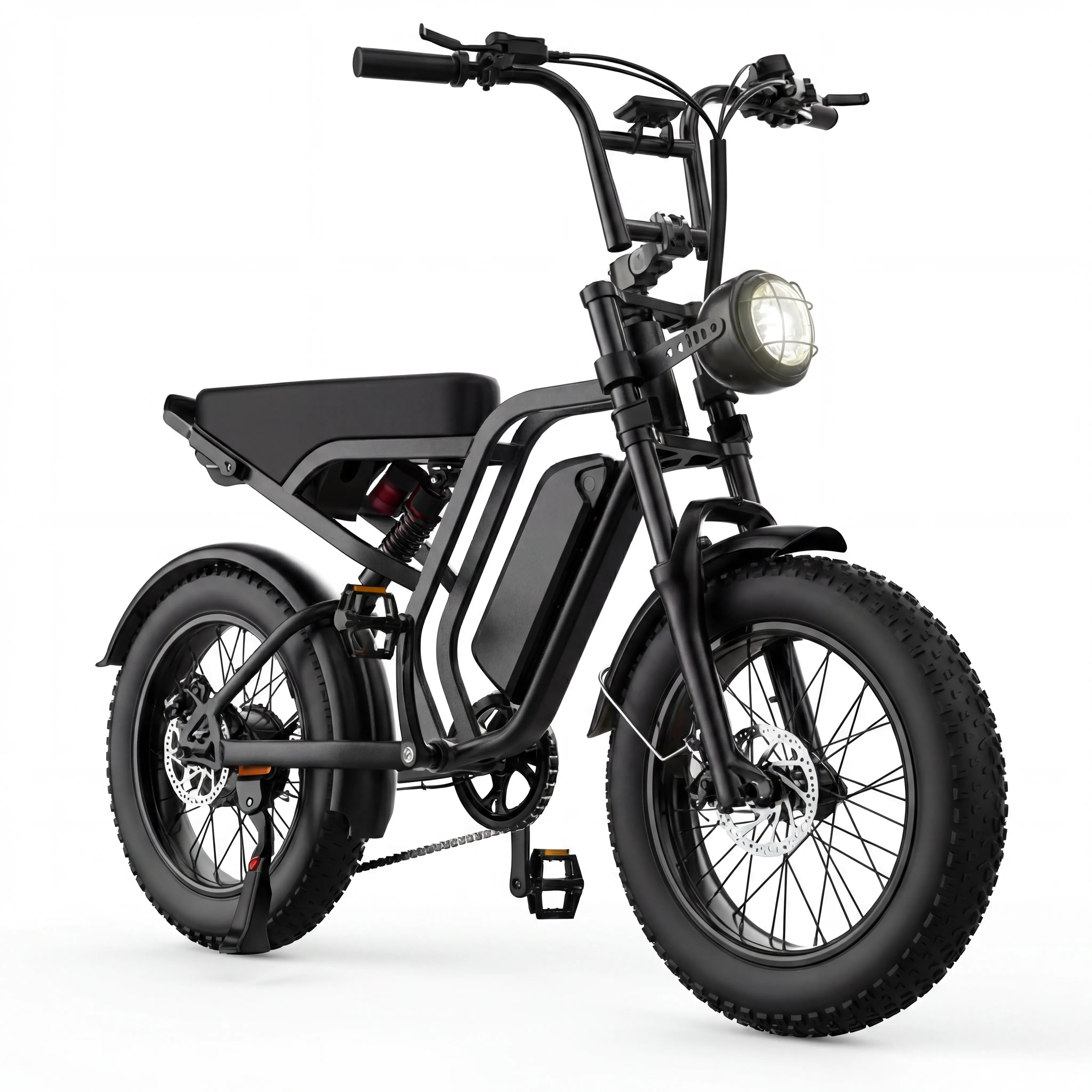
Start here: Choose an E-Bike for the trips you repeat—not for the largest power number in a product card. Write down your distance, surface, hills, cargo, storage, and charging situation first. Then compare fit, battery planning, tires, braking, suspension, complete-bike weight, and support against that real routine.
Start With How You Will Actually Use the Bike
A useful buying decision begins with a week of trips, not a feature list. Is the bike for a two-mile city errand, a 20-mile round-trip commute, weekend gravel paths, grocery runs, or a mix? Record the distance in both directions, how often you ride, who carries cargo, and whether the bike must be lifted, parked outdoors, or loaded into a vehicle.
Then separate “every day” from “once in a while.” A single sandy shortcut may not justify a bulky setup all year; recurring broken pavement, stairs, or a long exposed route may matter far more than a rare trail. This prevents a shopper from paying for a solution to the wrong problem.
Match the Bike to Distance and Terrain
Map the full round trip, including the direction home. Hills, headwinds, loose surfaces, stop-and-go traffic, cargo, and colder conditions can make a route more demanding than its mileage suggests. Use a stated range as a comparison point, not as a promise that every rider will cover that distance.
For rough pavement or maintained gravel, tire volume, tire setup, rider position, and suspension can all affect comfort. For smooth pavement, a lighter, more direct-feeling setup may be easier to live with. The right answer comes from the surface you use most, not an imagined extreme ride.
Make Sure the Bike Fits the Rider
Fit is a safety and usability issue before it is a comfort preference. Check whether you can mount, stop, turn at low speed, reach the controls, and place the bike where you will park it. If possible, test the bike on a surface similar to the real route and practice walking it through a doorway, ramp, or storage area.
Do not infer fit from a general height claim alone. Reach, saddle position, inseam, posture, handlebar height, and confidence at low speed all matter. A model can have desirable specifications yet still be the wrong choice if the rider cannot manage it comfortably when starting, stopping, or parking.
Understand Motor Ratings Without Chasing Numbers
Rated and peak power are different descriptions. Neither number replaces a route assessment, rider input, gearing, tire choice, total load, or local operating rules. More power is not automatically a better purchase if it adds no useful benefit to the rider’s normal terrain or makes the ownership trade-offs harder.
Ask what the motor support needs to do on your route: help with repeated starts, longer grades, cargo, or a particular surface. Then read the product page for the current configuration rather than assuming that two products with similar numbers will feel or operate the same way.
Estimate Real-World Battery and Range Needs
Battery labels help compare stored energy, but range changes with assist level, speed, pedaling, terrain, wind, temperature, total load, and stops. A purchase should leave a planning reserve after the expected round trip. If the advertised figure only works under ideal assumptions, the setup may not be comfortable for a daily commute.
Consider where the bike will charge and whether charging is permitted at the destination. A removable battery may change how a rider manages charging, but compatibility and storage instructions remain model-specific. The practical E-Bike range guide explains how to test a route after purchase without treating an estimate as a guarantee.
Choose Tires for Your Main Surface
Tire width, tread, pressure, construction, and surface all contribute to handling. Wider tires can add air volume and comfort, while narrower or more pavement-focused tires may feel more responsive on maintained roads. Neither category is automatically safer or faster in every condition.
Check whether the exact tire size and tube are practical to obtain and service where you live. If you repeatedly ride loose gravel, broken shoulders, or unpaved paths, the tire decision should be made alongside fit and storage—not as an isolated upgrade.
Decide Whether Suspension Is Worth the Trade-Off
Suspension can improve comfort when repeated bumps are part of the route. It also adds components to inspect and does not remove the need to choose a safe line, manage speed, or maintain tires. On smoother rides, tire setup and fit may solve more of the comfort question than a shopper expects.
Ask whether roughness is a daily condition or an occasional nuisance. If it is daily, evaluate the complete bike’s comfort and handling. If it is occasional, compare the added complexity, weight, and storage implications with a simpler setup.
Evaluate Braking and Control
Read the current model page for brake configuration and follow the manufacturer’s maintenance guidance. Avoid buying decisions based on unverified labels or claims about stopping distance. The rider should be able to reach and operate controls confidently, and a test ride should include gradual braking on a surface similar to the intended route.
Control also includes turning, low-speed balance, lighting needs, cargo stability, and the ability to move the bike when the motor is off. A practical bike should be manageable at the least glamorous moments of ownership.
Consider Bike Weight, Storage, and Transport
Measure doorways, hallway turns, elevator space, rack channels, and the final parking location. If you use stairs, a car rack, transit, or an apartment storage room, rehearse that constraint before ordering. Check the current complete-bike weight and the rack manufacturer’s limits for the exact model.
Storage also affects the battery and charger. Choose a location appropriate to the model instructions, protected from damage, and workable for the routine you actually have. A bike that cannot be stored or moved safely is not a convenient commuter.
Check Serviceability, Warranty, and Support
Before purchase, identify who can help with the exact model, how replacement parts are identified, and where the current support instructions live. Policies have conditions and can change, so read the current policy and support pages rather than relying on a blanket claim about warranty, returns, or shipping.
A useful support path is part of total ownership. Save the product page, serial information, manuals, and contact route while everything is working. That preparation helps when a compatibility, charging, or maintenance question appears later.
Think About Total Ownership, Not Just Purchase Price
Budget for the complete routine: a lock, approved storage, service, replacement wear items, transport needs, and any accessories required for cargo or weather. The least expensive listing can be the costliest choice if it cannot serve the route, fit the rider, or be supported locally.
Do not convert a comparison into a false savings calculation. Instead, list the purchases and constraints that are genuinely required for your situation, then compare candidates on the same list.
Electric Bike Buyer Decision Table
| Buyer need | What to evaluate | Why it matters | Possible trade-off |
|---|---|---|---|
| Daily commute | Full round-trip distance, hills, reserve | Range is route-specific | More battery flexibility may add cost or weight |
| Rough route | Tires, fit, suspension, control | Comfort depends on the whole setup | More volume or suspension can add complexity |
| Apartment storage | Weight, dimensions, charging location | The bike must be manageable every day | Compact storage can limit format choices |
| Cargo and errands | Load plan, accessory compatibility, braking feel | Cargo changes handling and route demand | Accessories require space and planning |
| Long-term ownership | Parts, service, policy terms, support | Problems are easier to solve with a clear path | Model-specific parts may limit options |
Final Pre-Purchase Checklist
- My usual use, distance, hills, and surface are written down.
- I have checked rider fit and low-speed handling.
- I understand that rated and peak motor figures are not a route guarantee.
- I have a realistic battery reserve and a charging plan.
- I have compared tires, suspension, braking, and complete-bike control for my route.
- I know where the bike will be stored, lifted, transported, and serviced.
- I have read current support and policy information for the exact product.
Compare current options against your route
After you have made the route-first checklist, review the HIEHA E-Bike collection and current SU8 1.0 and SU8 2.0 pages. HIEHA lists both as moped-style E-Bikes with 20 × 4-inch fat tires and full suspension; confirm the exact configuration, fit, inventory, and support details through the E-Bike FAQ before deciding.
Planning a daily commute? Read how to plan an e-bike commute for a practical route, parking, cargo, and battery-reserve checklist.
Comparing two HIEHA SU8 configurations? See SU8 1.0 vs. SU8 2.0: the key differences for a focused look at the listed display, connected features, cameras, and battery-flexibility options.
If regular hills are part of your route, use this route-first guide to choosing an e-bike for hills alongside the broader buying checklist before narrowing your options.
Before committing to a model, use a practical e-bike test-ride checklist to turn your buying criteria into observations about fit, controls, braking, and route comfort.
When rider fit and everyday comfort are central to the decision, add this fit and support guide for choosing an e-bike for a heavier rider to the broader buying checklist.
Share:
How to Charge an Electric Bike Battery: A Practical Guide
Why Is My E-Bike Range Dropping? A Practical Troubleshooting Guide