
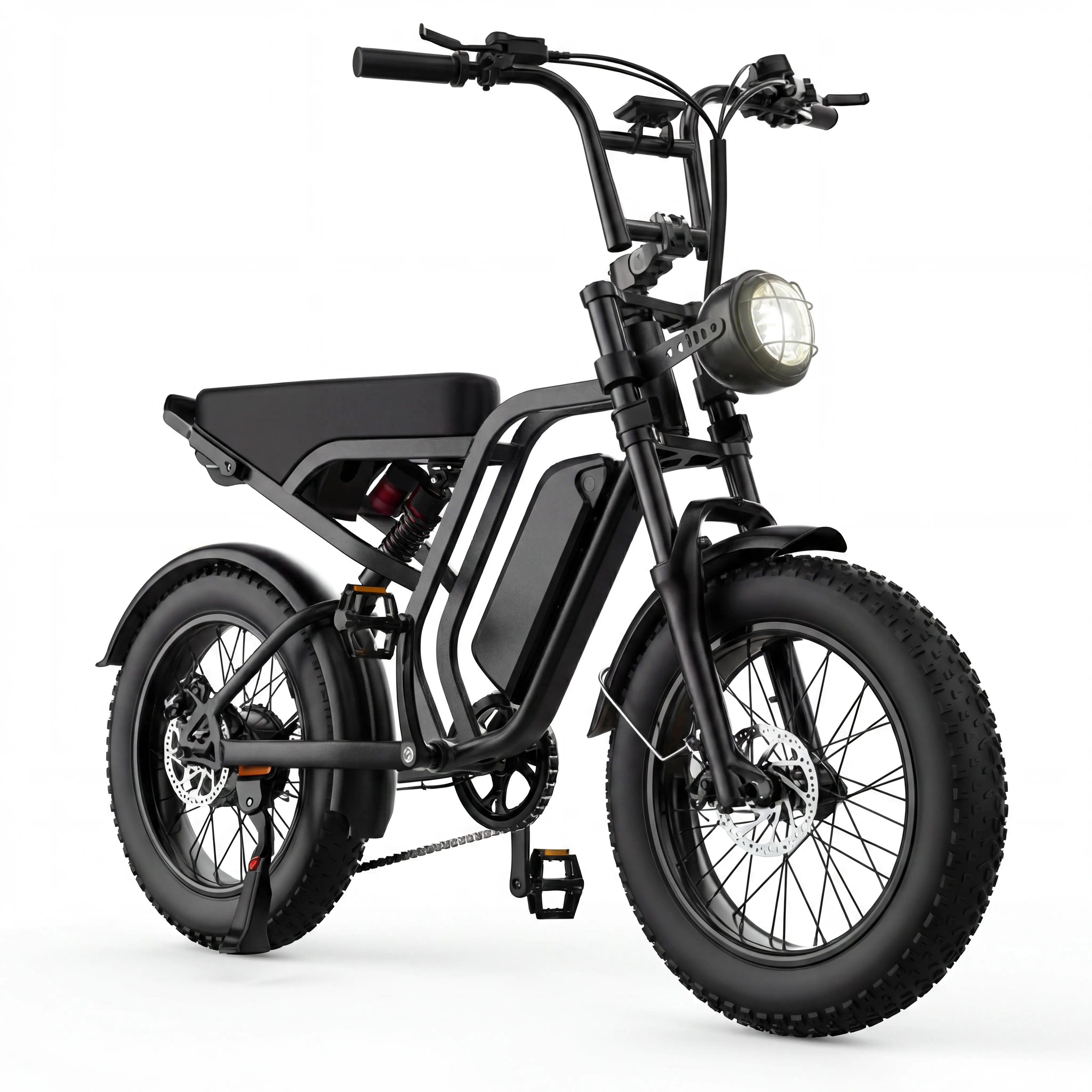
Quick answer: A useful E-Bike maintenance checklist is short enough to repeat: inspect the tires, brakes, drivetrain, controls, fasteners, and battery system before a small issue becomes a ride-ending surprise. Clean gently, use the instructions for your exact bike, and stop for qualified help when a safety-critical part is damaged, loose, or behaving differently from normal.
Start with a repeatable routine
Maintenance is most effective when it is ordinary. A two-minute look before a ride can catch a soft tire, a loose accessory, a rubbing brake, or a cable that needs attention before you are far from home. The goal is not to turn every owner into a mechanic. It is to notice changes early, keep the bike clean enough to inspect, and know when a job belongs with the manufacturer or a qualified bicycle service professional.
Keep the model manual with your bike records. It is the source for model-specific service points, approved cleaning methods, torque values, replacement parts, and battery handling. The HIEHA E-Bike collection is a useful starting point for identifying the current model page, but it does not replace the instructions supplied for the bike you own.
Before every ride: the fast safety check
Start with a walk-around in good light. Check that nothing is caught in a wheel, that no cable is sharply bent or pinched, and that lights, bags, child seats, and other accessories are secure. Lift the bike only if you can do so safely; an E-Bike can be substantially heavier than a conventional bicycle, and a rushed lift is not a maintenance shortcut.
- Tires and wheels: Look for obvious cuts, embedded objects, bulges, loose spokes, or a tire that feels much softer than usual. Use the pressure range and inspection advice for the installed tire; do not invent a universal pressure.
- Brakes: With the bike stationary, operate each brake control and confirm it feels normal. Check that the wheel does not keep spinning against the brake and that the lever does not pull unexpectedly close to the grip.
- Controls: Confirm the display, assist controls, horn or bell, and lights behave as expected. A sudden warning, intermittent display, or damaged control should be investigated before relying on it in traffic.
- Battery area: Make sure the battery is seated and locked as the manual describes. Do not ride or charge a battery with a cracked case, swelling, leakage, unusual odor, damaged connector, or unexplained heat.
If the bike passes this quick check, take the first minute of the ride as another observation point. Unusual clicking, grinding, pulling, vibration, or a change in braking feel is information. Stop in a safe place and inspect rather than trying to diagnose the sound while moving.
Weekly: clean and inspect where you can see
Road dust and dried mud hide leaks, wear, and loose hardware. Use a soft brush or cloth and a modest amount of water only where the manufacturer permits. Avoid directing high-pressure water at bearings, electrical connections, the display, or the battery area. If the bike was wet, let it dry and inspect it before storage or charging.
Cleaning is a good time to look closely at the chain, chainring, rear cogs, derailleur, pedals, crank arms, and wheel rims. Wipe away surface grime before adding the lubricant recommended for the drivetrain. More lubricant is not better: excess oil holds dirt and can contaminate braking surfaces. If lubricant reaches a brake component, stop and follow the manufacturer or service professional’s cleaning guidance rather than guessing.
Fasteners need a manual, not a hunch
Look for visibly missing, loose, or damaged fasteners on the stem, handlebar, rack, fenders, kickstand, and accessories. Do not tighten safety-critical hardware by feel if you do not have the correct tool and model guidance. Overtightening can be as harmful as leaving a part loose. A bike that was dropped, transported roughly, or involved in a crash deserves a closer professional inspection even if it still appears rideable.
Drivetrain care: keep shifting predictable
A clean, correctly lubricated drivetrain makes pedaling and shifting easier to evaluate. Shift through the gears only in a safe setting, easing pedal force as you change gears. Repeated skipping, a chain that falls off, or a derailleur that contacts the wheel are stop signs—not reasons to make random adjustment turns at the roadside.
Riders often notice a drivetrain issue first on a familiar route. Use that pattern to make notes: which gear, which direction of shift, whether the sound happens under load, and whether the bike was recently cleaned, bumped, or transported. Those details make a service conversation more productive. For riding variables that can affect how a route feels, see the practical E-Bike range guide; it explains why terrain, cargo, conditions, and assist use should be planned with reserve.
Brakes, tires, and wheels deserve priority
These components affect how the bike starts, stops, and stays stable. Keep the braking surfaces free of oily products. Inspect tires before long rides and after striking a pothole, curb, or sharp debris. A wheel that wobbles, rubs, has a damaged rim, or has a loose axle should not be treated as a cosmetic concern.
| What you notice | What to do next |
|---|---|
| Soft tire, visible cut, bulge, or object embedded in the tread | Do not assume it will hold. Inspect using the tire maker’s guidance and repair or replace it before relying on the bike. |
| Brake rubbing, weak braking, fluid leak, damaged cable, or a changed lever feel | Stop riding until the cause is understood. Follow the model instructions or arrange qualified service. |
| Chain skips, falls off, or makes persistent noise | Clean and inspect first; do not force shifts. Seek service if the issue continues or parts appear bent or worn. |
| Loose handlebar, stem, pedal, crank, rack, or accessory | Do not ride until it is secured with the correct procedure and specification. |
| Damaged, swollen, hot, leaking, or unusual-smelling battery or charger | Do not charge, open, modify, or use it. Follow manufacturer and qualified-service guidance. |
Battery and electrical care
Electrical care begins with observation, not improvisation. Keep charging equipment dry, inspect the cable and connector, and use only the charger supplied or approved for the exact battery. Do not force a connector, bypass a damaged part, or treat battery packs from different models as interchangeable. The detailed E-Bike battery charging guide covers a cautious routine for normal charging and the warning signs that mean you should stop.
When washing the bike, do not use the task as a reason to disassemble electrical parts. Confirm the battery is installed, removed, or protected only as the manual specifies. If moisture, impact, a fault message, or abnormal behavior raises doubt, pause the routine and contact the correct support channel. The HIEHA E-Bike FAQ is the right place to begin a model-specific support question.
Monthly and seasonal review
Set a calendar reminder for a slower check. Review tire wear, brake condition, drivetrain cleanliness, accessory mounts, reflectors, and the condition of the charger and battery contacts. Before a new commuting season or a longer trip, rehearse the basics: where you can park securely, how you will carry a lock, and what reserve you want for the route. The E-Bike commute planning guide can help turn that review into a route plan rather than an assumption.
Season changes are also a good time to inspect gear you added during the year. Remove accessories you no longer use, check the mounts for damage, and make sure cables still have room to move when the handlebar turns. A clean, uncluttered setup makes a pre-ride check faster and makes unusual changes easier to spot.
What to leave to a professional
Some work has a narrow safety margin. Do not open a battery case, repair cells or internal wiring, modify a charger, force a connector to fit, or alter the bike’s electrical system. Likewise, seek qualified help for structural damage, persistent brake concerns, wheel truing beyond a simple inspection, drivetrain adjustment you do not understand, or a component that has been involved in a collision.
Good maintenance is not a contest to do every job yourself. It is a practical system: inspect often, clean carefully, document changes, use the manual, and stop before uncertainty becomes a safety issue.
The maintenance checklist to remember
- Before each ride, inspect tires, wheels, brakes, controls, fasteners, and the battery area.
- Listen for new noises and stop to investigate them safely.
- Clean gently enough that you can see wear without driving water into sensitive areas.
- Lubricate only the drivetrain as directed, and keep oil away from brakes.
- Use model documentation for pressures, torque values, service intervals, and electrical care.
- Do not ride or charge equipment that is damaged, loose, leaking, swollen, unusually hot, or behaving unexpectedly.
For a tire issue that happens during a ride, this e-bike flat-tire roadside checklist offers a safe next-step plan before you attempt a repair or ride again.
\nBefore setting out, add this simple e-bike pre-ride tire checklist to your routine so an obvious tire or wheel-area change is noticed before it becomes a roadside problem.
Before a ride, include this simple e-bike brake check in your routine so an obvious change in lever feel, wheel movement, or response is noticed before leaving.
For stops away from home, add this e-bike locking checklist to your ownership routine so parking, loose items, and the return-to-riding check are handled with the same calm attention as maintenance.
For a short, focused routine between larger maintenance checks, use this e-bike chain care checklist to notice dirt, rust, noise, or shifting changes before they become a rushed repair decision.
After a routine inspection, this e-bike storage checklist helps keep the bike stable, tidy, and ready between rides without replacing model-specific manual guidance.
Share:
SU8 1.0 vs. SU8 2.0: What Is Different?
How to Choose an E-Bike for Hills: A Route-First Guide