
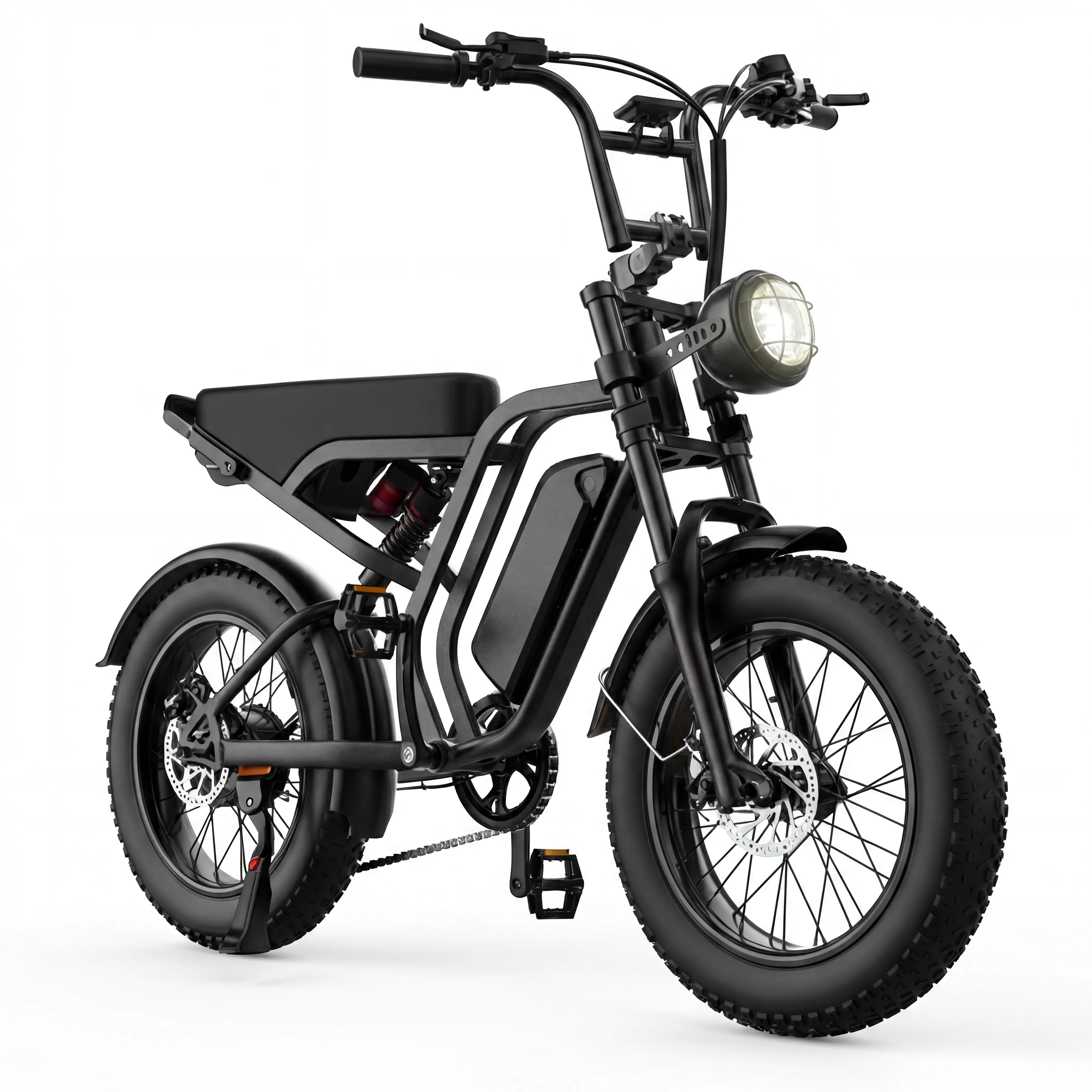
An e-bike commute works when the whole trip is repeatable—not merely when the map shows a short distance. Before you depend on it for work or school, test the route, parking, cargo, weather plan, and battery reserve in ordinary conditions. A small trial turns unknowns into a practical routine.
Start with the full trip, not the one-way distance
Write down every part of the day: the ride there, the ride home, any errand, and the distance between a parking spot and your destination. Add the equipment that comes with you, such as a lock, rain layer, laptop, or change of clothes. Those details affect comfort and may change which route is realistic.
Next, make a simple round-trip estimate. Treat a stated range as a conditional estimate rather than a promise. Hills, wind, surface, temperature, rider and cargo weight, tire condition, speed, and assist use can all change what you see on a real ride. Plan a reserve instead of arranging your day around reaching the destination with an almost-empty battery.
If you are comparing models for commuting, begin with the current HIEHA e-bike collection and then read the current model pages for fit, included equipment, and operating instructions. The SU8 1.0 product page and SU8 2.0 product page are better sources for model-specific details than a general commute checklist.
Map two routes before your first weekday ride
The fastest car route is not automatically the most comfortable bike route. Map a primary route and a lower-stress backup. On each one, look beyond total miles: note busy turns, lane changes, bridge approaches, rough pavement, long climbs, exposed wind, lighting, and places where you could safely stop. A route that takes a few minutes longer can be the better weekday choice if it reduces difficult intersections or leaves more room for an unexpected delay.
Ride both options at a quiet time before relying on either. Pay attention to where the map instructions arrive too late, where sight lines are poor, and whether the final approach to your destination is clear. If part of the trip uses a trail, transit facility, or shared path, confirm current local access rules directly with the responsible city, transit, or property authority. Rules and permitted riding behavior vary by location.
Solve the arrival problem early
An e-bike commute is only as easy as its final five minutes. Ask your destination where bicycles may be parked, whether there is a rack you can use, and whether the area is sheltered and visible. Practice locking the bike in the actual spot. Make sure your lock reaches the fixed structure you intend to use and that bags, lights, and loose accessories have a plan too.
Charging needs the same conversation. Do not assume that a wall outlet is available or that indoor charging is permitted. Follow the battery and charger instructions supplied for your model, use only equipment intended for it, and keep charging decisions separate from a rushed arrival. If charging is not available, your route plan should still leave a comfortable round-trip reserve.
For a broader pre-purchase checklist, what to look for when buying an electric bike can help you compare the everyday factors that matter before a commute becomes routine.
Make a realistic weather and clothing plan
Weather changes both the ride and the time you need to get ready. Build a compact kit around your local conditions: a layer for temperature changes, rain protection when appropriate, and a way to keep work items dry. Put the kit through a short test ride; an item that works on foot may be awkward around a helmet, backpack, or bike controls.
Set a personal rule for days when you will use a different way to travel. That rule might be based on local alerts, reduced visibility, route flooding, ice, or a condition you have not yet practiced. A backup plan is not a failure of the e-bike commute—it is what keeps the routine dependable when conditions shift.
Carry work gear without making the bike hard to control
Load changes how a bike feels. Start with a light, secure load and test starts, stops, turns, and walking the bike through doors or ramps. Keep items from swinging into wheels or controls, and avoid stacking a bag where it blocks lights or your view behind you. If your work gear is bulky, measure it and decide where it will go before buying an accessory or committing to a daily route.
Do a practice trip with the same laptop, lunch, lock, and clothing you expect to carry on a normal day. That test reveals simple problems—an uncomfortable backpack, a difficult elevator, a rack that is too crowded—while you still have time to adjust the plan.
Build a battery routine with a margin
Use the first several rides to learn your own route rather than trying to optimize every setting immediately. Record the distance, the conditions, and how much reserve you prefer at the end. The useful pattern is not one perfect result; it is a reliable range of outcomes across calm and demanding days.
If the expected distance changes suddenly, investigate the conditions before drawing a conclusion. The guide why an e-bike's range may be dropping explains the common variables worth checking. For charging and battery-care guidance, use the current HIEHA battery charging guide together with the instructions that came with your specific bike.
Run a low-stakes rehearsal
Before the first commute with a deadline, make the trip on a day when arriving late does not matter. Leave at the same time you normally would, carry your usual gear, park where you plan to park, and include the return ride. Time the full routine from locking your door to being ready at the destination—not just wheel movement.
Afterward, write down the one or two friction points that mattered most. You may need a different departure time, a calmer street, a better way to pack, or a clearer parking arrangement. Solve those practical issues before adding more distance or speed. The goal is an ordinary commute you can repeat, not a one-day challenge.
A first-week commute checklist
| Check | What to confirm |
|---|---|
| Route | A primary route and a lower-stress alternative have both been ridden. |
| Timing | The plan includes getting ready, parking, locking, and walking to the destination. |
| Energy | The round trip has a personal reserve for conditions and detours. |
| Arrival | Parking, access, and any charging permission are confirmed in advance. |
| Cargo | Everyday gear is secure and has been tested while starting and stopping. |
| Backup | You know when local conditions call for a different way to travel. |
The bottom line
Plan an e-bike commute around the whole day: route quality, arrival logistics, cargo, changing conditions, and enough energy margin for the ride home. Verify current model-specific information on HIEHA pages before making a purchase or service decision, then use a low-stakes rehearsal to turn the plan into a routine.
\nWhen your regular trip includes more than smooth pavement, use this route-first commuter versus all-terrain e-bike comparison to separate your everyday commute from the occasional rougher surface.
\n\nA flat tire can change a commute plan quickly; this e-bike flat-tire roadside checklist can help you choose a safe stop, repair, or pickup plan.
\nAs you prepare for a routine trip, use this e-bike pre-ride tire checklist alongside your route and arrival plan to catch an obvious issue before leaving.
When a route includes a regular stop, use this e-bike locking checklist to plan a permitted parking point, carry what you need, and leave time for a quick check before the ride home.
When a regular route may begin or end in low light, use this low-light e-bike checklist to make a deliberate visibility, controls, and backup-plan check before you leave.
When part of a commute uses a greenway or multiuse path, this e-bike shared-path etiquette checklist adds practical cues for slower speeds, predictable passing, and checking the access rules for that route.
When you compare route options, use this e-bike intersection checklist to make each crossing a deliberate part of the plan.
Before adding an unfamiliar turn to a regular route, use this e-bike hand-signal checklist to practice communicating while keeping control of the bike.
When a regular route includes parked cars, this e-bike door-zone checklist can help you plan a calm line and a simple reset before the next block.
Share:
Why Is My E-Bike Range Dropping? A Practical Troubleshooting Guide
SU8 1.0 vs. SU8 2.0: What Is Different?