
An e-bike can feel familiar at a glance and still deserve a quiet first session. The extra mass, different balance, controls, or simply time away from riding can make an ordinary start feel less automatic than expected. A short practice session is not a test of courage and does not certify anyone for traffic. It is a chance to notice what the bike and rider feel like in a place where stopping, resetting, or going home is easy.
This checklist is deliberately model-neutral. Use the current owner’s manual for the controls, settings, warnings, and inspection steps for your exact bike. Follow local rules for where an e-bike may be ridden. If the bike has visible damage, a persistent warning, an unfamiliar control response, or a concern you cannot explain, postpone the session and use qualified or manufacturer support instead of trying to practice through it.
Choose a practice area before choosing a goal
NHTSA advises people getting ready to ride near traffic to start in a safe environment away from traffic, such as a park, path, or empty parking lot. Choose a legal, open, paved space with good visibility, no moving vehicles, no pedestrians who need to be passed, and room to stop without reaching an intersection, driveway, slope, curb, or obstacle. If the space becomes busy, it is no longer the right place for a practice session.
Do not turn a sidewalk, a shared path, a store lot in use, or a quiet-looking street into a drill area just because it is nearby. The point is to reduce pressure, not to ask other people to predict an inexperienced rider. If you cannot find a clear, lawful place, wait for another time or consider an on-bike class through a local recreation program, bike shop, or advocacy group.
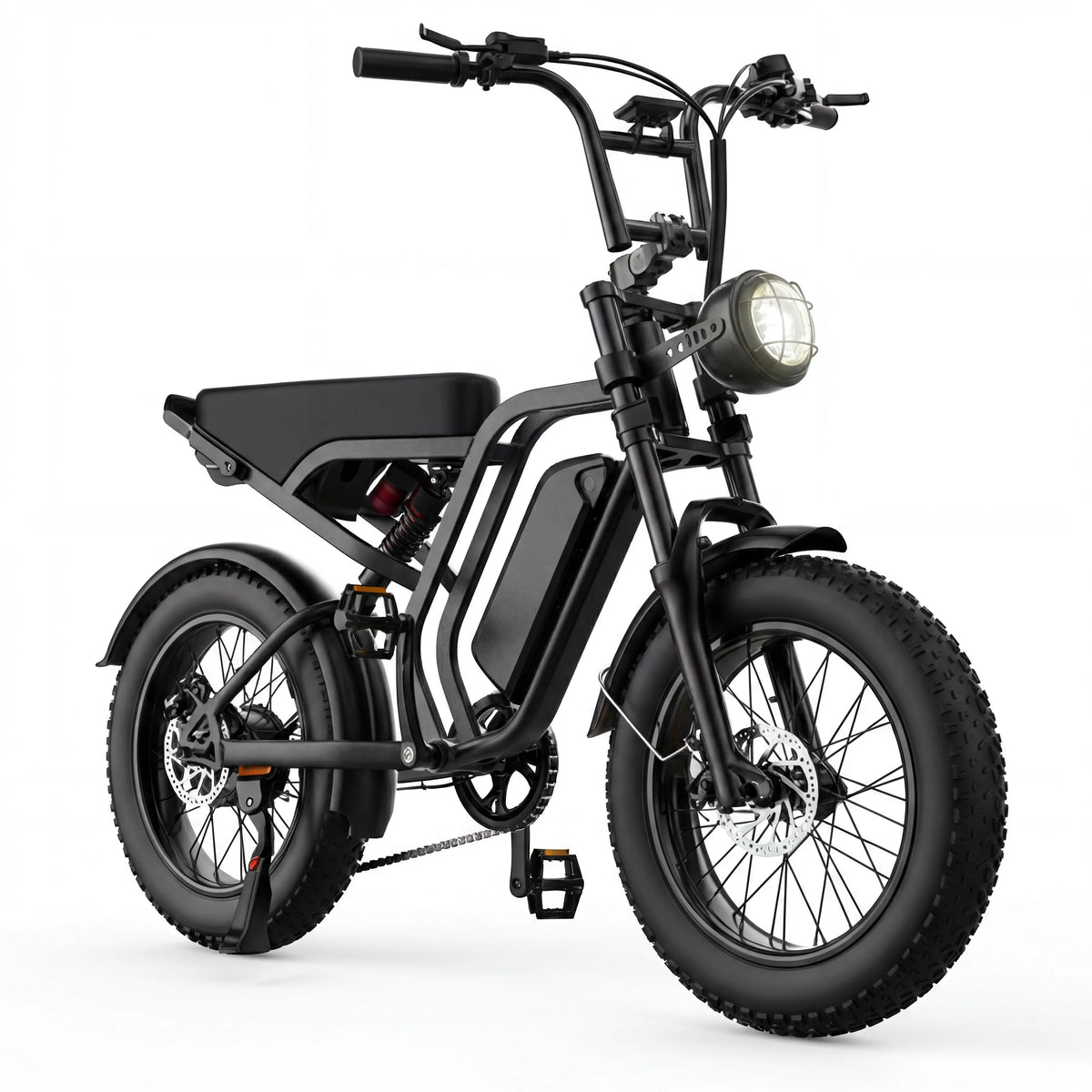
Start by reviewing the model information available with the HIEHA e-bike collection and the current page for your own bike, such as the HIEHA SU8 1.0. Those pages do not replace the manual, but they can help you find the model-specific support material you should read before trying unfamiliar controls.
Set up the bike and yourself without rushing
Wear a bicycle helmet that fits and fastens as its maker directs. A useful companion is the e-bike helmet-fit checklist, which keeps the attention on position, straps, comfort, and condition before the bike starts moving. Wear clothing and footwear that let you see and move comfortably. Secure loose laces, straps, bags, and anything that could distract you or reach a moving part.
Keep the first session simple. Bring only the essentials, keep a phone accessible but out of your hands, and do not carry a loose item while riding. If you are tired, rushed, impaired, upset, or trying to arrive somewhere on time, choose another day. The practice area should make it easy to pay attention to the bike, not divide attention among errands, navigation, or people waiting for you.
Before mounting, use the manual’s pre-ride sequence. Then make the focused observations in the e-bike brake check before riding. That guide is not a braking-distance experiment. It helps create a calm moment to notice an unfamiliar lever feel, a visible concern, persistent rubbing, or another reason not to begin. Do not alter brake, wheel, steering, battery, or control components unless the current model instructions clearly tell you how.
Begin by moving the bike at walking pace
Read the manual’s instructions for turning the bike on, choosing any permitted setting, and moving off. Keep both hands where the manufacturer directs. Begin with enough clear pavement to roll, stop, and put a foot down without needing to steer around a person or object. The goal is to learn the feel of balance and control at a pace that still feels unhurried, not to cover distance.
Make one short, straight run. Look ahead rather than down at the front wheel. Roll only as far as you can comfortably stop, pause, and reset. Notice whether your shoulders tense, whether you are reaching for a control, or whether the bike feels different from what the manual describes. Any uncertainty is useful information. Stop, reread the relevant instruction, or ask for help rather than repeating the same attempt faster.
Practice starts and stops as separate skills
Starting and stopping deserve more attention than a dramatic maneuver. Set up with the bike straight and your route clear. Start gently, ride a short distance, then make a controlled stop using the sequence in the manual. Come fully to rest before changing position, checking a display, or talking to anyone. Repeat only while the area stays clear and your attention stays fresh.
Between attempts, check the space again. A parked car may begin moving, a pedestrian may enter the lot, or a loose object may appear. If you need to walk the bike to reset your position, use the conservative steps in this e-bike walking checklist. Walking it is a normal choice, not a failed attempt.
Add gentle looking and turning only when the basics feel settled
Once straight starts and stops feel calm, choose a broad, empty arc rather than a tight turn. Look through the space where you intend to go and keep a generous margin from curbs, posts, painted lines, or debris. Do not make a turn sharper just to see what the bike can do. The useful lesson is whether you can look ahead, steer smoothly, and stop with room to spare.
You can also practice a brief scan before moving again: look ahead, identify the empty space, and make sure no one has entered it. Do not turn this into a shoulder-check drill near traffic. That skill belongs in an appropriate setting and often benefits from instruction. For traffic-free practice, the decision rule is simple: if you are not completely sure the area remains clear, wait.
Keep traffic and shared paths for another stage
A successful practice session does not mean you need to ride in traffic immediately afterward. NHTSA’s advice to build skills before traffic is a reason to end while the session still feels controlled. Choose a later ride only after considering local rules, route conditions, daylight, weather, visibility, other road users, and your own comfort. A route that is easy for someone else may not be the right next step for you.
When a future trip includes a multiuse path, the e-bike shared-path etiquette checklist can help with the separate task of moving thoughtfully around people walking, running, rolling, and riding. That is not something to rehearse around strangers during a low-speed session. Courtesy begins with waiting until you can make predictable decisions.
Know when to pause and get guidance
Stop the session when the bike behaves differently than expected, a warning persists, a control is confusing, the area is no longer clear, or you feel tense enough that each attempt becomes rushed. Use the owner’s manual and manufacturer support for the exact bike. A qualified instructor or local skills class can be especially useful if basic starts, stops, balance, or looking ahead do not feel manageable on your own.
Do not treat repeated practice as a substitute for local traffic laws, safe infrastructure, or a plan for unpredictable conditions. There is no required number of laps and no deadline. The right next step may be another calm session, a shorter route, an instructor, or no ride at all that day.
A low-speed practice checklist
| Before moving | During practice | Before leaving |
|---|---|---|
| Choose a legal, open area away from traffic and other path users. | Make short, straight starts and controlled stops with room to reset. | Stop if the area changes, the bike feels unfamiliar, or attention fades. |
| Read the current manual and check rider gear, bike condition, and controls. | Look ahead, keep goals small, and add only broad turns when basics feel calm. | Decide separately whether a future route, time, and condition are suitable. |
| Remove distractions and secure loose items before mounting. | Walk the bike to reposition when that is easier than riding. | Use model-specific support or qualified instruction for unresolved concerns. |
The most useful result is not a longer session or a faster lap. It is a clear sense of what you understand, what needs more practice, and what should wait. Give yourself permission to keep the next ride as small as the last one. That patient approach makes room for better decisions before traffic, pressure, and unfamiliar conditions enter the picture.
When a calm practice session starts to feel comfortable, use this e-bike intersection checklist to plan a deliberate approach to crossings without treating practice skills as traffic-law instruction.
When one-handed control is not yet comfortable, this e-bike hand-signal checklist offers a calm practice sequence before using a signal near traffic.
Share:
E-Bike Helmet Fit Checklist: Set Up Before You Ride
E-Bike Intersection Checklist: Make Each Crossing More Predictable