
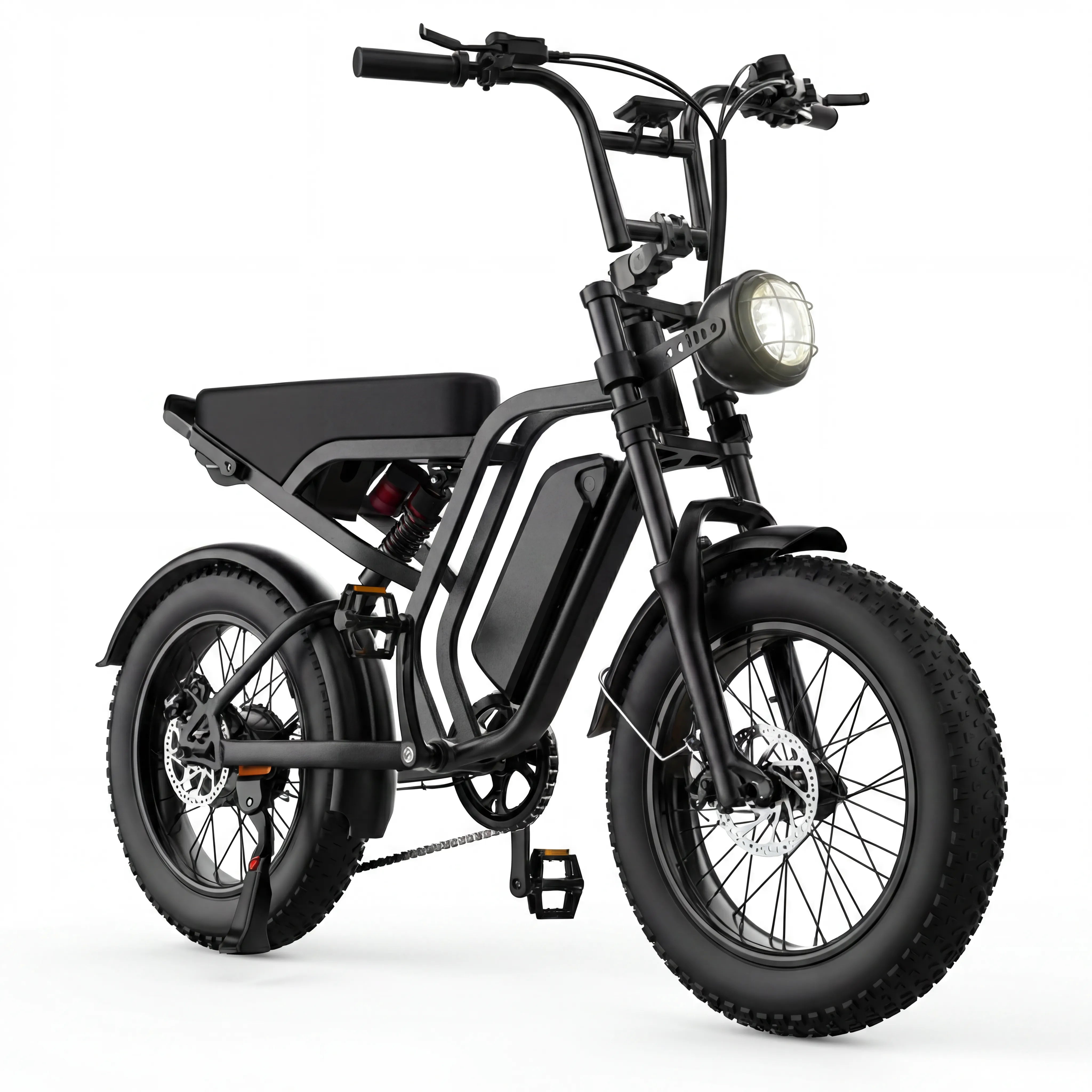
Parking an e-bike is easier when you treat it as a small routine instead of a last-second decision. The aim is not to promise that a lock makes any bike impossible to take. It is to make a thoughtful stop: choose a sensible place, secure the parts you can reasonably secure, take loose items with you, and come back ready to check the bike before riding. A repeatable checklist also helps when the stop is ordinary—a coffee shop, office, class, store, or trailhead—and your attention is already on something else.
This guide stays deliberately general. Parking rules, fixed objects, weather, property policies, and the equipment you carry vary from place to place. Read signs, respect access routes and private property, and use your bicycle’s current documentation for model-specific questions. For a broader ownership routine, pair this stop with the practical e-bike maintenance checklist so the bike you lock up is also the bike you are regularly looking over.
Decide where you will stop before you arrive
A good parking choice starts with a pause. Look for a designated rack or another stable, permitted fixed point that is intended for bicycle parking. Make sure the bike will not block a doorway, ramp, sidewalk, emergency access point, or another rider’s space. If the only available option feels uncertain, ask a nearby staff member about the property’s parking policy or choose a different stop. A hurried improvised choice is rarely the best moment to learn whether an object is movable or whether parking is allowed there.
Think about the return trip too. If you will leave after dark, carry what you need to see and to be seen on the way home, and avoid assuming that a familiar daytime location will feel the same later. If you are building a regular work or school route, include a parking look in the departure and arrival steps described in this everyday e-bike commute guide. A few minutes of planning gives you time to choose a stop without rushing the lock-up.
Use a simple order every time
Once you have chosen a suitable location, turn the bike off and steady it before reaching for a lock. Put the lock around a strong, stable portion of the bicycle frame and the approved fixed point. If your setup allows, include a wheel as well. The useful habit is to check that the lock is actually around the frame and fixed point—not just a removable part, a loose accessory, or an object that can be lifted away. Do not force a lock, cable, brake, or component into a position that could damage the bike.
Then look at the bike from a step back. Is it stable? Is it clear of a pedestrian path? Can another bike be parked normally beside it? Have you left enough room for a door, gate, rack, or mobility route to work as intended? This short visual check is practical courtesy, and it makes it easier to spot an obvious mistake before you walk away. If the location has its own instructions, follow those instructions even if your usual routine is different.
Take loose items with you
Before leaving, remove items that are simple to carry and that you do not need to leave on the bike. That may include a bag, a phone mount, lights, a display if it is designed to be removed, or other personal gear. Put keys and any removable equipment in the same pocket or bag every time so the return is straightforward. Avoid treating a general article as a parts-removal manual: if you are unsure whether an item is meant to come off, use the product documentation or ask qualified support instead of pulling on it.
For someone comparing current models or looking for documentation, the HIEHA e-bike collection is the right place to start. A product page can help you identify the model you own or are considering, but this checklist does not assume a particular battery, display, wheel, rack, or security feature. Your real-world parking plan should fit the bike, the place, and the rules you are given.
Match the stop to your schedule
A brief stop and a longer stop call for the same careful sequence, but the planning can be different. For a short errand, do not skip the lock just because you expect to be back quickly. For a longer stop, give yourself more time to find an appropriate parking point and to take the items you will want indoors. If you cannot park where you are permitted and comfortable doing so, consider another transportation plan for that part of the trip rather than trying to make an unsuitable location work.
It also helps to make an arrival checklist that is realistic. Keep the key, lock, and bag in consistent places. If you ride with a companion, decide who is carrying which item before you reach the rack. If you need to use a product feature, charger, or removable accessory in a way not covered by your owner materials, pause and check the current guidance for that model. For example, the product page for the HIEHA SU8 e-bike is a better source for current product details than a generic locking guide.
Return with a quick pre-ride look
When you come back, do not unlock and ride off in one motion. First look for an obvious change around the frame, wheel area, controls, cables, and anything you removed or carried away. Check that your belongings are secured for the ride, the lock is fully removed and stored, and the bike can move normally. This is an observation step, not a repair procedure. If something looks out of place, feels different, or makes you unsure, do not test the issue in traffic or try to force a component back into position.
Use the same calm pause that you would use at home. The before-riding brake check offers a separate, model-neutral way to notice a change before setting off. For a tire or wheel-area concern, use the related pre-ride guidance and get the appropriate help when the bike does not seem ready. A stop that runs a few minutes longer is better than a ride that begins with a question you have not resolved.
What this checklist cannot decide for you
No article can inspect the location for you or tell you that every lock, rack, or policy is appropriate. Local rules can change, businesses can set their own conditions, and a visibly solid object may still not be intended for bicycle parking. Read the signs at the actual stop. If there is a security incident, damage, or a problem with the bike, follow the property’s process and seek the qualified support that fits the situation. Do not make legal, insurance, or security decisions from a generic blog post.
The checklist is useful because it narrows your focus to the choices you control: where you park, how you secure the frame to an approved fixed point, what you carry away, and whether the bike appears ready when you return. Use that sequence consistently, adjust it for the location, and give yourself permission to choose another plan when the stop does not feel suitable.
A one-minute e-bike locking checklist
Before you walk away, ask: Is this a permitted, stable place to park? Is the frame secured to the approved fixed point? Is the bike clear of paths and entrances? Did I take the items I need? Do I have my key? When I return, can I take a moment to look the bike over before riding? Those questions are short enough to use every day, yet specific enough to catch the common lapse of assuming that a familiar stop needs no attention.
Make the routine yours, keep it compatible with the place you are visiting, and rely on current product documentation whenever a question becomes model-specific. That combination of preparation, respect for the space, and a calm return check is a useful foundation for everyday e-bike ownership.
When the bike will be parked between rides, pair the lock-up with this e-bike storage checklist for a calm check of the parking spot, removable items, and next-ride cue.
Share:
E-Bike Brake Check Before Riding: A Simple Routine
E-Bike Saddle Height: A Comfortable Setup Checklist