
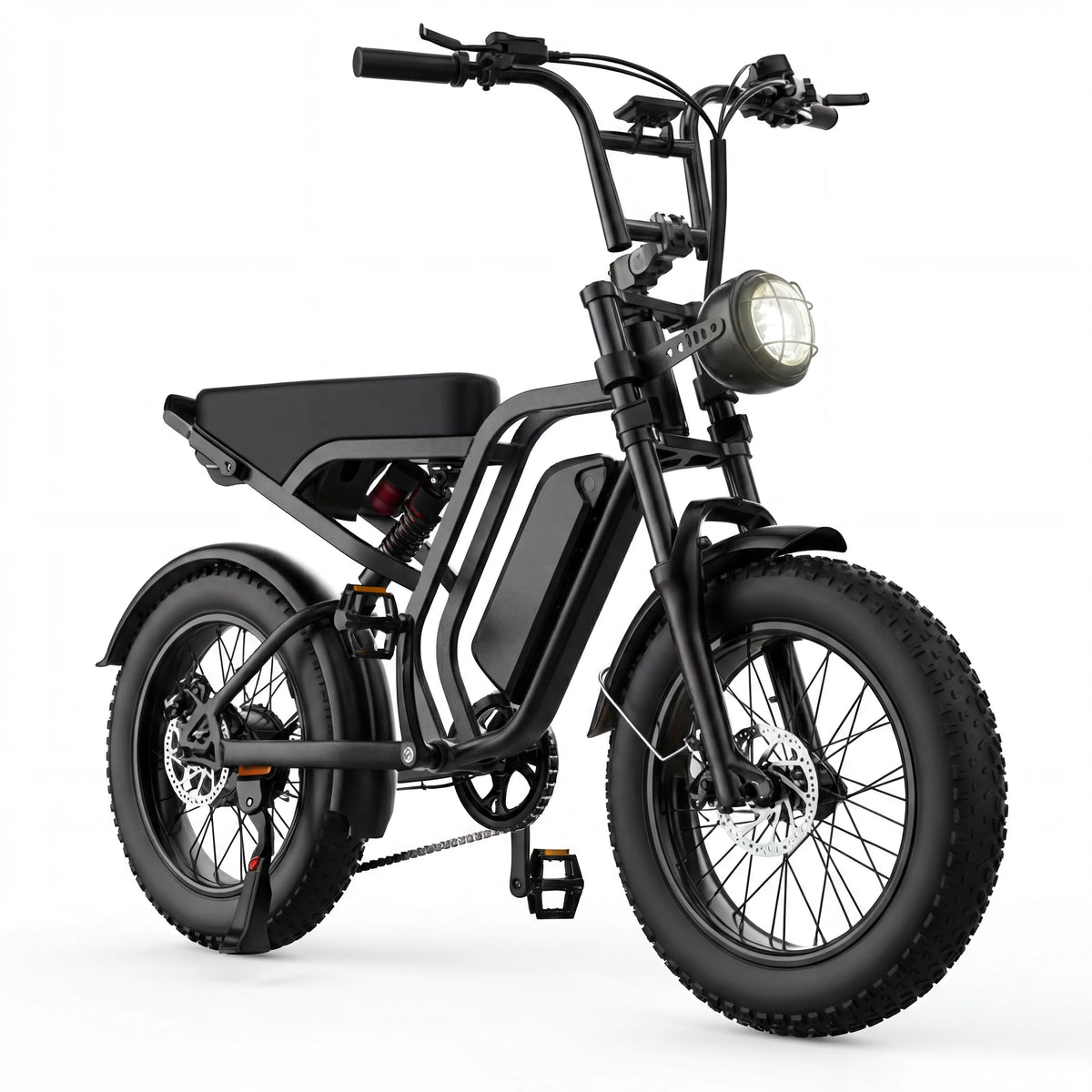
Where an e-bike rests between rides affects how easy it is to inspect, secure, and use next time. A good storage routine is not a set of universal battery numbers or a substitute for the manual. It is a calm sequence: park the bike stably, remove what should not stay on it, follow the manufacturer’s battery instructions, protect it from avoidable mess and weather, and leave yourself an obvious next-ride check.
This checklist is intentionally model-neutral. Your owner’s manual remains the authority for battery removal, charging, storage temperature, service intervals, and anything specific to your bike. If the bike will sit longer than a normal break between rides, use the manual’s storage instructions instead of guessing.
Start with a stable, low-clutter parking spot
Choose a dry, stable location where the bike will not block a door, stair, exit, or shared path. Set the bike on the kickstand only when the ground and stand are appropriate; otherwise use the support method recommended for the bike. Turn the bike off, remove the key if it has one, and make sure cables, pedals, bags, and accessories are not creating a trip hazard.
Before walking away, look at the bike rather than assuming it is settled. Is it leaning safely? Is a wheel likely to roll? Is anything pressing against the derailleur, brake rotor, display, or wiring? A few seconds here helps prevent a small storage bump from becoming a repair issue. The same simple observations used in a practical e-bike maintenance routine are useful context for this reset.
Make the battery decision from the manual, not a rule of thumb
Do not invent a charging or storage percentage for a particular e-bike. Check the battery and owner documentation for the bike’s stated instructions, then follow them. If the battery is removable, remove it only in the way the manufacturer specifies; do not force a latch, connector, or cover. Keep the contacts clean and dry, and do not place metal objects where they could touch electrical contacts.
The U.S. Consumer Product Safety Commission advises riders to follow the manufacturer’s charging instructions, use the supplied or manufacturer-recommended charger, stay present while charging, and avoid charging while asleep or away from home. That guidance makes the storage moment a useful pause: if charging is needed, set up a deliberate, attended charging session rather than treating storage as a reason to plug in and leave. For the related charging sequence, see how to charge an electric bike battery.
Stop and seek manufacturer or qualified-service guidance if you notice unusual heat, swelling, a damaged case, a new odor, corrosion, water intrusion, loose connectors, or a battery that has been dropped or otherwise damaged. Do not attempt to open, rebuild, modify, or improvise a repair to the battery. If a battery is subject to a safety notice or recall, follow the specific disposal or service instructions from the manufacturer and relevant local authority; lithium-ion batteries do not belong in household trash or general recycling.
Remove weather and road grit before it settles in
After a wet, dusty, or gritty ride, give the bike a gentle visual reset before storage. Wipe off obvious moisture and dirt with materials appropriate for the bike and manual. Avoid directing high-pressure water at bearings, electrical connections, the display, or battery areas. Let the bike dry before covering it, and do not trap wet gear against the frame.
Pay attention to the chain, drivetrain, and braking surfaces without adding products blindly. Chain lubrication, cleaning products, rotor handling, and service steps are not interchangeable across every bike. If the chain looks dirty or dry, use the conservative inspection path in this e-bike chain care checklist and the manufacturer’s care directions. Keep lubricants away from brake components.
Secure the bike and its removable items
Storage security has two layers: where the bike is placed and what stays with it. Remove easy-to-carry items such as keys, detachable lights, loose bags, a display if the manual permits removal, and personal items. Do not hang a heavy bag from a handlebar or leave cargo where it can shift, strain a cable, or encourage someone to pull on the bike.
Use an appropriate lock and a fixed, permitted anchor when the location calls for it. A lock is not useful if it only circles a removable wheel or an object that can be lifted away. Keep the lock clear of moving parts and avoid routing it where it rubs the frame finish or pinches a cable. This e-bike locking checklist explains a deliberate lock-up check without assuming one method fits every location.
If the bike is kept in a shared building, garage, or outdoor area, respect property rules and keep exits clear. A cover can reduce dust and casual attention, but it is not a substitute for a lock, a dry location, or manufacturer-approved storage conditions. Never cover a battery or charger while it is charging.
Leave a next-ride cue
Finish with a small cue that makes the next ride safer. Put the helmet, key, and lock where you can find them. Note a concern now instead of hoping to remember it later: a tire that seemed soft, a brake lever that felt different, an error message, or an accessory that needs attention. This is especially helpful when several people use the same bike.
Before the next ride, do not assume storage preserved every condition. Check tires, brakes, controls, lights, fasteners, and the area around the battery according to the manual. A focused pre-ride tire checklist can help you observe tire condition, while this e-bike brake check before riding keeps the attention on braking before you move off.
A simple between-rides storage checklist
- Park in a dry, stable place that does not obstruct an exit or path.
- Turn the bike off; remove the key and personal items.
- Check that the bike is supported safely and nothing is pressing on sensitive parts.
- Remove dirt and moisture gently; allow the bike to dry before covering it.
- Follow the manual for battery removal, storage, and charging decisions.
- Use only the correct charger and remain present if charging is needed.
- Secure the bike appropriately for the location and keep a lock clear of cables and moving parts.
- Leave a note or visual cue for anything to inspect before the next ride.
When storage should become a service question
Do not ride through a concern simply because the bike was stored indoors. Pause for professional or manufacturer guidance when a battery, charger, connector, frame area, brake, wheel, or control has visible damage; when a warning persists; or when the bike behaves differently than normal. The safest storage routine is one that makes problems easier to see early, not one that hides them until the next trip.
If you are still deciding where an e-bike fits into your daily routine, browse the HIEHA e-bikes collection for product information, then use the exact product documentation for model-specific setup and care.
Share:
E-Bike Owner’s Manual: A First-Day Checklist
E-Bike Shared-Path Etiquette: A Practical Checklist