
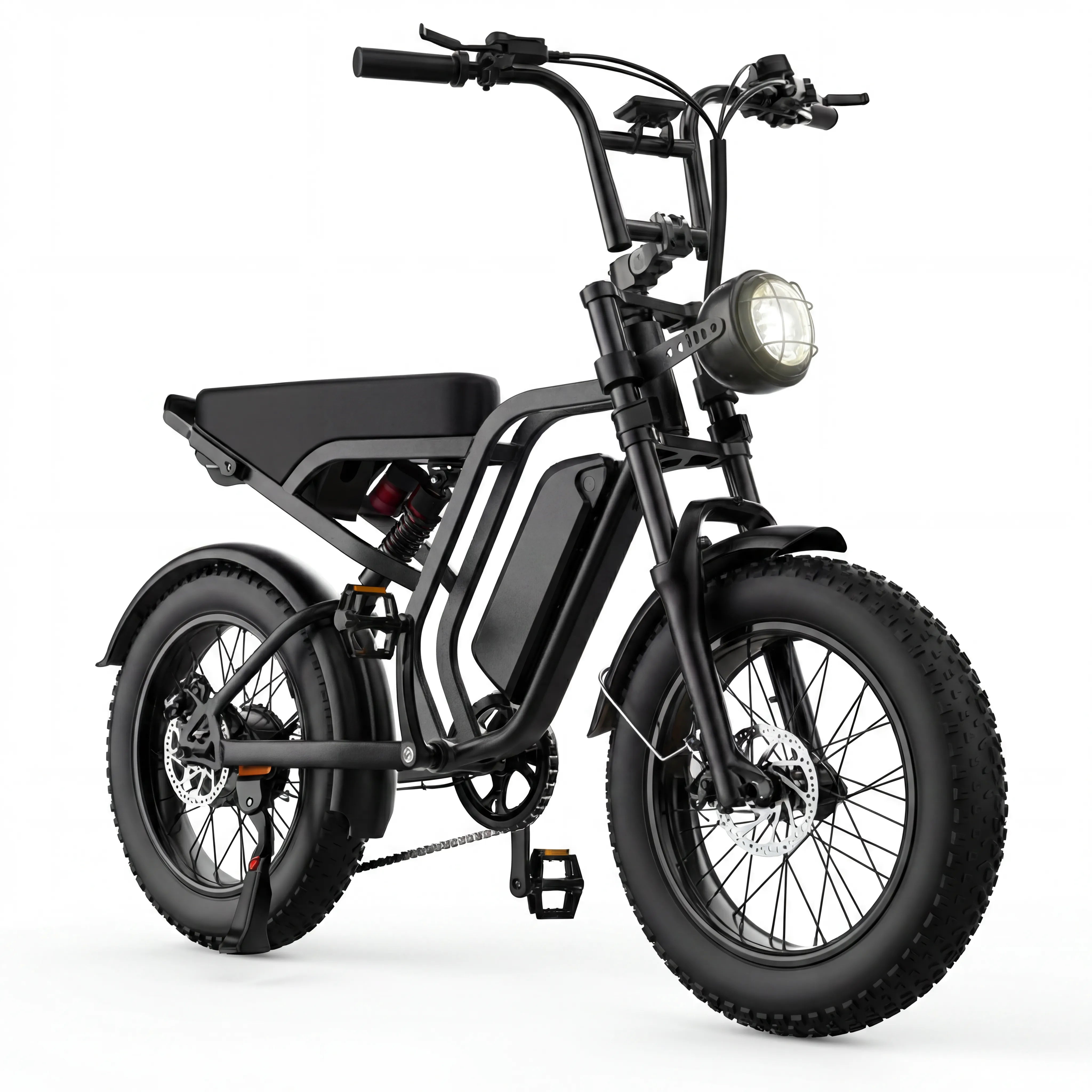
Quick answer: An E-Bike battery does not have one guaranteed lifespan. Its usable capacity changes with age, charge cycles, temperature, storage, charging habits, and how hard it is used. The practical goal is to notice declining performance early, follow the bike maker’s instructions, and replace a battery only with an approved compatible option.
Key takeaways
- Service life is about usable capacity and reliability, not a calendar date alone.
- Shorter range can have several causes, including route conditions, temperature, tires, brakes, and battery condition.
- Use the supplied or manufacturer-approved charger and inspect the battery and connections regularly.
- Do not keep using a battery that is damaged, swollen, leaking, unusually hot, or has an abnormal odor.
What does E-Bike battery life mean?
People often use “battery life” for two different things. Range is how far one charge may take you today. Service life is how long the battery continues to deliver dependable, useful capacity over time. They are related, but they are not the same question.
A battery can still work while giving less distance than it did when new. That change may be gradual. Before blaming the battery, compare similar rides: the same route, assist level, cargo, temperature, and tire condition. A windy, hilly, cold, or stop-heavy ride can use more energy even when the battery is healthy.
What affects an E-Bike battery's service life?
Charging and heat
Follow the battery and charger instructions that came with the bike. A charger, connector, or battery that looks similar is not automatically compatible. Avoid charging a battery that appears damaged, and stop charging if it becomes unusually hot or shows swelling, leakage, or an abnormal odor.
Heat can be especially hard on batteries. Give a battery time to return to a normal indoor temperature after a demanding ride before charging if the manufacturer’s instructions call for it. Keep the charging area dry, clear, and suitable for the equipment.
Storage and time
All batteries age, including batteries that are not ridden every day. Long periods in unsuitable temperatures or an unattended storage setup can make ownership harder. Use the model’s manual for storage guidance rather than applying a generic temperature or charge-percentage rule from another battery type.
Load, route, and riding style
High assist, frequent throttle use, long climbs, headwinds, rough surfaces, repeated starts, and heavier total loads can increase energy demand. They may make range feel lower without proving that a battery has reached the end of its service life.
How to track a change in range
Use a simple log for a few representative rides. It is more useful than relying on memory after an unusually difficult trip.
| Record | Why it helps | Keep the comparison fair |
|---|---|---|
| Miles ridden | Shows practical distance from a charge | Use the same or a similar route |
| Assist and throttle use | Explains energy demand | Note any long high-assist sections |
| Weather and wind | Conditions can change available performance | Compare like seasons where possible |
| Cargo and rider setup | Total load affects starts and climbs | Include regular bags, lock, and accessories |
| Battery display change | Helps identify a recurring pattern | Treat it as an indicator, not lab equipment |
| Physical observations | Flags a safety or service concern | Stop use for damage, swelling, leakage, heat, or odor |
Look for a repeatable pattern across comparable rides. If expected route performance changes abruptly, the charger, battery, connections, tires, brakes, or display may all be relevant. A qualified service provider or the brand’s support team can help identify the right next check.
When should you check or replace an E-Bike battery?
Do not set a replacement date from a generic online cycle count. Instead, check the model documentation and ask for help when a repeatable change affects the trips you need to make, the battery will not charge or hold a charge as expected, or the bike reports a fault.
Stop using the battery and seek the manufacturer’s guidance if it is damaged, swollen, leaking, unusually hot, or producing an abnormal odor. Do not open, modify, improvise a repair, or substitute a battery because the connector appears to fit.
How to plan for a replacement battery
Compatibility matters more than a matching voltage printed in a listing. Confirm the exact bike model, approved battery, charger, mounting arrangement, and current instructions before ordering. Availability changes, so check the current product page rather than relying on an old listing or social post.
HIEHA lists a SU8 2.0 original replacement battery with a 48V 15Ah specification, removable key-lock design, BMS, power indicator, and an approximate 5–6-hour charge time. The product page names SU8 2.0 compatibility and says it is not universal. Confirm the exact configuration and current product information before purchase.
How the HIEHA SU8 battery setup fits
The HIEHA E-Bike collection lists the SU8 1.0 and SU8 2.0 with removable 48V 15Ah lithium batteries. HIEHA publishes a conditional 40–70-mile estimated range for the models; rider weight, terrain, speed, assist, temperature, and road conditions can change the result. That estimate describes a charge, not a promise about lifetime capacity.
If your concern is today’s trip distance rather than long-term service life, use the practical E-Bike range guide to compare your route and retain a reserve. For model-specific charging, compatibility, or support questions, review the HIEHA E-Bike FAQ before making a change.
The bottom line
An E-Bike battery lasts best when you judge it by consistent real-world performance, follow its model-specific instructions, and respond promptly to damage or unusual behavior. Track comparable rides, protect the battery and charger, and confirm compatibility before any replacement.
For a step-by-step routine before your next charge, read our practical guide to charging an electric bike battery.
Battery planning is easier when it fits the whole bike and your routine. Use this electric bike buying checklist to compare fit, weight, storage, and service support alongside battery needs.
When range changes noticeably between comparable rides, use our E-Bike range troubleshooting guide to check conditions, setup, and signs that warrant professional support.
Share:
How Far Can an Electric Bike Go? A Practical Range Guide
Full Suspension vs. Hardtail E-Bikes: Which Should You Choose?