
Carrying a lunch, a lock, a light jacket, a charger, or a small errand item can make an e-bike more useful on an ordinary day. It also changes what is moving with you. The helpful goal is not to turn every ride into a hauling project. It is to pack only what you need, keep the bike’s controls clear, and make a calm check before you pull away. A few minutes of organization can prevent a loose strap, swinging bag, or forgotten item from becoming the most distracting part of the ride.
This is a model-neutral cargo checklist, not a guide to a particular rack, basket, trailer, or attachment. E-bike frames and accessories differ, and the current documentation for the exact bike and accessory is the source for approved attachment points and limits. Start with the HIEHA e-bike collection when you need the current model information. If an item cannot be secured without guessing, forcing a fit, or blocking a control, leave it behind or choose another way to carry it.
Begin with the trip, not the bag
Before packing, name the purpose of the ride. A short stop for groceries, a ride to work, and a relaxed weekend loop can call for different things. Lay out the few items you actually expect to use. This helps separate essentials from “just in case” items that add clutter without improving the trip. A lock, phone, keys, identification, water, and a layer for changing conditions may be enough for many rides. A larger item may be better handled on another trip or with another form of transport.
Keep the plan proportional. More gear can mean more time needed to inspect, secure, and manage it at stops. If you are still learning how the bike behaves with a small bag, do not make the first test a crowded ride with a bulky or awkward load. The e-bike test-ride checklist offers a useful mindset for any unfamiliar change: make it in a quiet place, observe one thing at a time, and give yourself an easy option to stop.
Choose a carrying method that leaves you in control
Whatever carrying method you use, it should not interfere with steering, braking, pedaling, seeing the road, or getting on and off the bike. Before moving, stand beside the bike and turn the handlebar through its normal range. Look for a strap, sleeve, bag corner, or loose loop that could catch. Then sit on the bike and check that the item does not press into a control, force you into an unfamiliar posture, or keep you from placing your feet where you expect at a stop.
A backpack can be convenient for light personal items, but it should sit close to your body and feel settled before you ride. A bag carried on the bike needs an attachment method designed for that location and used according to its instructions. Do not hang a bag from the handlebar simply because it fits there for a moment. A load that swings or shifts can change the way the bike feels while turning, slowing, or walking it. When the carrying setup is uncertain, the safe decision is to reduce the load and revisit the documentation.
Pack so small items cannot migrate
Loose objects have a way of finding the least convenient moment to move. Put small items inside a closed pocket, pouch, or container rather than in an open area where vibration can rearrange them. Keys, tools, cords, and charging accessories deserve particular attention because they can scratch a surface, fall out, or become tangled with something else. Separate anything that could leak from electronics, paperwork, or fabric. If a zipper, clasp, or closure does not stay closed while you handle the bag, do not assume it will improve once the bike starts moving.
Place the items you may need during a stop where you can reach them without unloading everything. That can make a lock, wallet, or rain layer easier to manage without leaving the rest of the bag open on the ground. For an everyday security routine, pair this packing check with the e-bike locking checklist. A well-packed bag does not replace a secure parking decision, but it can make a stop less rushed and less likely to leave something behind.
Secure the load, then check it from more than one angle
After placing the bag or item, use the approved fastening method and then look at it from the front, side, and rear of the bike. Ask simple questions: Is anything hanging below the item? Could it reach a wheel, pedal, chain area, or the ground? Can the handlebar move normally? Does the bag remain clear of lights and reflectors? Do not depend on a single quick tug as proof that a setup is ready. The point is to notice an obvious concern before the bike is rolling, not to strain a component or test an attachment beyond its instructions.
If an item is long, soft, or oddly shaped, pause and consider whether its shape may change in the wind or when the bike leans. A jacket tied loosely over another bag, for example, may look fine while the bike is parked and then work free. Repack it inside a closed bag if possible. If the item still moves, choose a different plan. Cargo should not create a reason to ride one-handed, look behind repeatedly, or take attention away from traffic and the riding surface.
Keep the rider area clear
The area around the rider deserves its own check. Nothing should be trapped under a shoe, across a pedal path, or looped around the frame in a way that makes it hard to stop. Make sure clothing, bag straps, and lanyards are tucked or secured. If you use a phone for navigation, set the route before you leave and keep any cable managed so it cannot become a distraction. Do not attempt to reorganize an item while rolling; pull over in a safe place first.
This is also a good time to re-check your ordinary pre-ride routine. The before-riding brake check is separate because a cargo decision should not crowd out the basic observation that controls and wheels feel ready for a normal start. A new bag, basket, or load is not a reason to skip the checks you would make on an unloaded ride.
Expect the first ride to feel different
Even a modest load can make an e-bike feel different when you start, stop, steer, or walk beside it. Choose a low-stress place for the first few minutes and begin smoothly. Notice whether the load stays settled and whether you can make ordinary turns without compensating for it. Avoid treating a busy street, a steep route, or a long commute as the place to discover that a bag swings or a closure comes open.
Give yourself more room to slow and stop than you would when the bike is unloaded. This is not a claim about a particular model’s braking performance; it is a practical way to leave space for your own observation and response. If something feels unfamiliar, reduce the question. Stop, inspect the load, and decide whether a small adjustment solves a clear issue. If it does not, do not keep experimenting in traffic.
Plan for errands without turning the bike into storage
An errand can add items after you have already started riding. Before buying or picking something up, think about how it will be carried back. A compact item that fits inside a closed bag is different from an object that changes the bag’s shape, leaves a lid open, or must be balanced on top. It is fine to decide that an item needs a separate trip. That decision protects the ride and keeps an ordinary errand from creating an improvised attachment problem.
For a recurring trip, build a repeatable checklist rather than starting from scratch each time. The e-bike commute planning guide can help you make room for preparation before leaving, including a check that the items you carry every day still fit the routine. The best setup is usually one you can inspect quickly and understand without rushing.
When to stop and ask for help
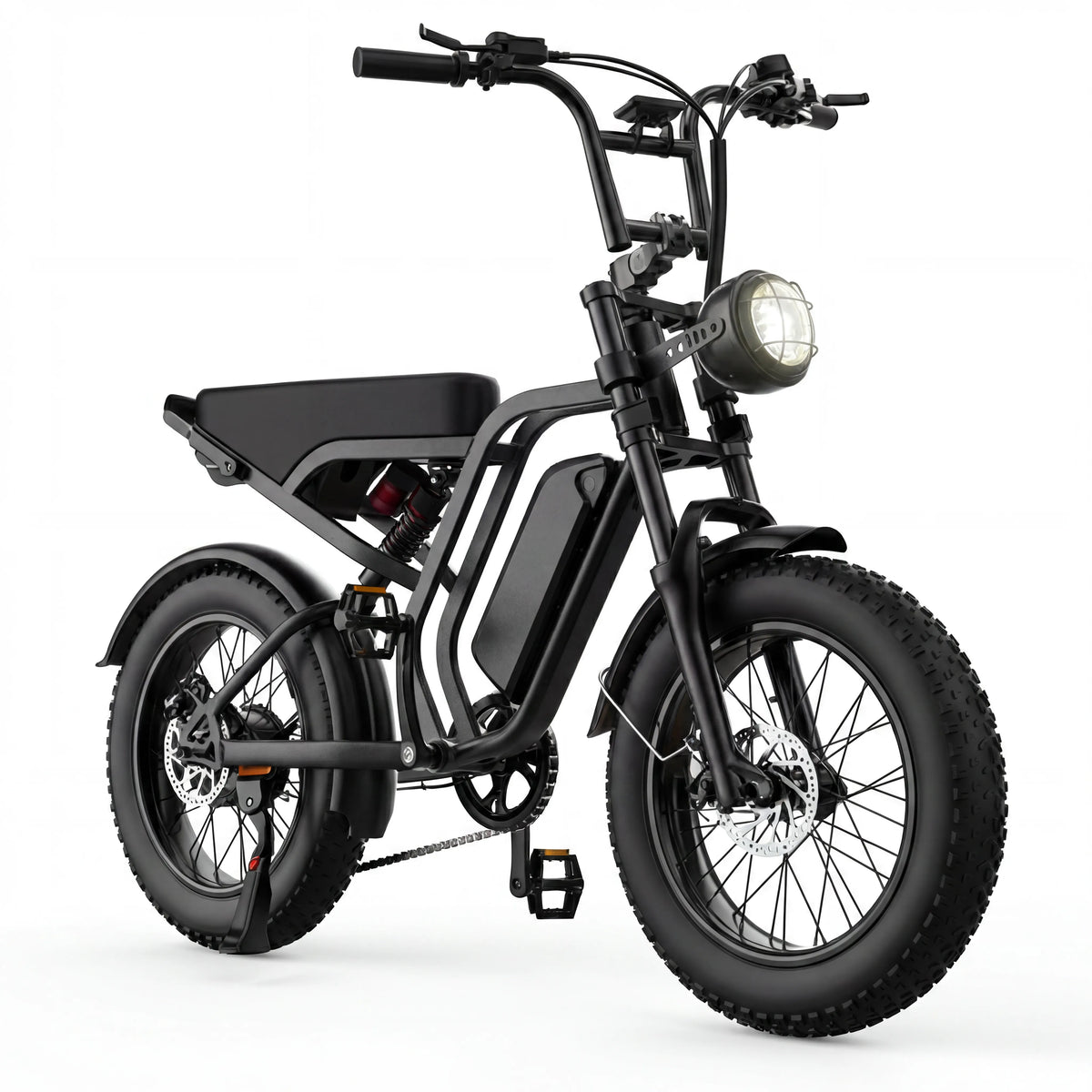
Stop using a cargo setup if a fastening point is damaged, a bag or accessory will not remain secure, a load contacts a moving part, or you cannot tell whether an attachment is approved for the bike. Do not solve an uncertain fit with improvised cords, additional weight, or a more forceful tightening method. The current product page for the HIEHA SU8 e-bike and its accompanying documentation are better sources for exact configuration questions than a general article.
A useful e-bike cargo checklist is simple: pack less, close small items inside something secure, keep controls and moving areas clear, use only an understood carrying method, inspect the load from more than one angle, and take a calm first ride. If any step depends on guesswork, pause. A smaller, well-secured load is more useful than a larger one that divides your attention from the ride.
Share:
E-Bike Saddle Height: A Comfortable Setup Checklist
How to Walk an E-Bike Safely: A Practical Checklist