
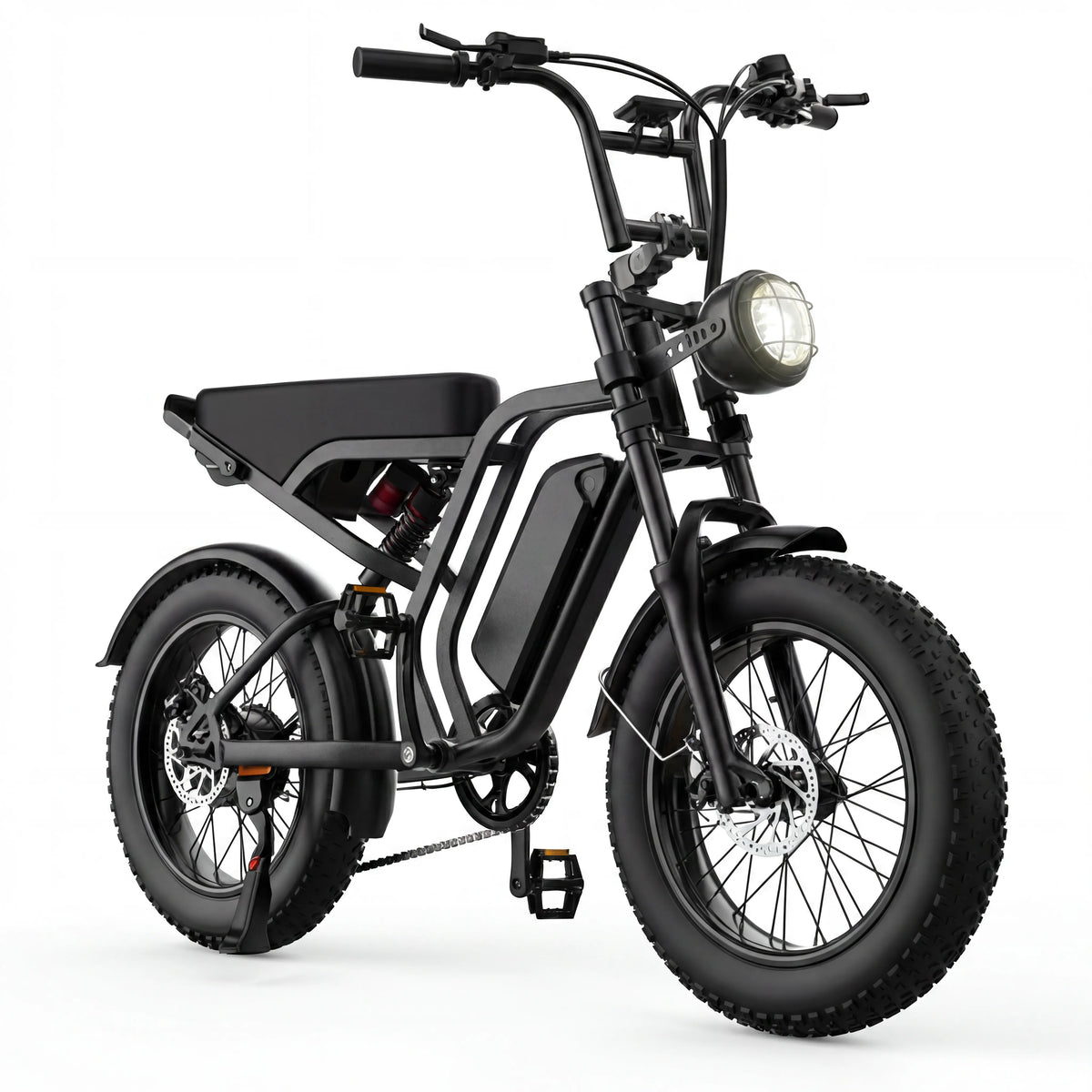
A test ride is where an e-bike stops being a list of specifications and starts becoming a real transportation choice. A bike can look right online yet feel awkward when you start, turn, stop, carry a bag, or ride the kind of pavement you use every week. The goal is not to prove that one short ride predicts every mile. It is to collect enough useful evidence to decide whether the fit, controls, and ride feel suit your normal route.
Use a simple plan rather than circling a parking lot at the highest assist level. Bring the same shoes, backpack, glasses, or gloves you expect to use. Ask for the current owner documentation for the exact bike and configuration. Then evaluate the basics in a calm order: fit first, controls second, low-speed balance, braking, surface comfort, and a few questions you can verify before buying.
Prepare before you ride
Start by naming the trip you want the e-bike to handle. Is it a two-mile errand, a commute with intersections, a mixed-surface weekend route, or a ride with cargo? Note the distance, typical road condition, any hills, the places where you may need to restart, and whether you can charge at either end. These details give the test ride a purpose and keep you from comparing bikes only on a feature list.
Wear a helmet and choose a low-traffic place for the first few minutes. Before moving, look over the bike and ask how it has been set up for the test. Check that the saddle and controls can be adjusted for you, and use the supplied manual for model-specific setup or charging questions. The National Highway Traffic Safety Administration recommends a quick pre-ride check that includes the tires and brakes; if anything feels loose, damaged, or unclear, pause the ride and ask for help rather than trying to diagnose it on the spot.
When comparing HIEHA options, begin with the current HIEHA e-bike collection to make a short list, then review the exact product page for the model on the floor. For example, the HIEHA SU8 1.0 product page is the right place to confirm current included items and specifications; do not assume that a photo, an older review, or another configuration applies to the bike you are testing.
| Test-ride moment | What to notice | Useful follow-up question |
|---|---|---|
| Getting on and off | Can you stand securely and reach the controls without strain? | Which fit adjustments are available for this exact bike? |
| First start | Does the bike begin smoothly and predictably at a low setting? | How should the controls be used when restarting on an incline? |
| Slow turn | Can you look ahead and steer a stable line? | What tire setup and inspection guidance applies to this model? |
| Controlled stop | Can you use both brake levers comfortably without reaching? | Where are the model-specific brake adjustment instructions? |
| Normal route surface | Do bumps, corners, and starts leave you composed? | Which accessories or service options fit this configuration? |
Set the fit before judging the assist
A rushed test ride can make a workable bike feel wrong. Ask to set the saddle so you can pedal without overreaching and can put a foot down with control when stopped. Check the handlebar reach, lever position, and display angle from your normal seated position. If the bike has a step-through frame, moped-style seat, or a different frame shape from what you have ridden before, take a minute to practice mounting and dismounting until it feels routine.
Then ride at walking speed in a straight line, make a wide turn, and stop. Repeat those moves before adding more assistance. Notice whether your hands stay relaxed, your shoulders are comfortable, and you can look where you want to go instead of watching the display. A bike does not need to feel identical to a conventional bicycle, but its controls should feel understandable before you take it into traffic or onto a hill.
Fit also includes what you carry. If a backpack or work bag is part of your usual trip, bring it. Extra weight can change how you start, corner, and brake. You do not need to recreate every errand during a demo, but you should know whether the riding position still works when your hands, pockets, or back are occupied in the way they usually are.
Learn the controls at low speed
Ask the demonstrator to show you the power button, display, assist controls, lights, and gear controls before the bike moves. Start in a conservative setting and give yourself room to understand the response. The point is not to chase a speed number. You are checking whether you can make small changes deliberately and keep your attention on the route.
Try several controlled starts, including one from a complete stop. If your route has hills or frequent intersections, a predictable restart matters more than an impressive pass on a flat path. Shift and adjust assistance only when you can do so without looking away from the surface for long. If you are comparing bikes for a climbing route, use the route-first questions in HIEHA’s guide to choosing an e-bike for hills to make the comparison more specific.
Do not evaluate a feature you have not been shown how to use. If a display, connected feature, removable component, or mode is important to your decision, ask where its current instructions live. Clear documentation and support are part of the ownership experience, especially for a first e-bike.
Check braking, handling, and surface comfort
Use a clear area to practice progressive stops at low speed. Keep your head up, apply the levers smoothly, and leave space rather than making a sudden stop your first test. Notice whether you can reach and modulate both levers comfortably, whether the bike remains composed, and whether you feel ready to repeat the maneuver. If something feels unusual, stop and ask about setup or service instead of treating discomfort as something you must get used to.
Next, ride over the kind of pavement you see most often: smooth paths, cracked streets, driveway transitions, or a short section of packed surface if that is relevant. Surface comfort is not just about cushioning. It affects where you look, how steadily you steer, and whether you can keep a safe line. Tire choice, condition, inflation guidance, and rider technique all matter, so follow the tire sidewall and model documentation rather than copying a setting from a different bike.
If frame feel is a key part of your comparison, HIEHA’s full-suspension versus hardtail guide can help you frame the tradeoff. It should not replace a ride on the actual route, but it gives you useful language for discussing comfort, control, and the surfaces you expect to encounter.
Include a short, realistic loop
Once the basics feel clear, repeat a short loop that includes a normal start, a turn, a stop, and a section of typical road. Keep the pace comfortable. The best test loop is not necessarily the longest one; it is the one that reveals whether you can make ordinary decisions without feeling rushed. If possible, ride the same loop on each finalist so your impressions are comparable.
Pay attention to the return leg too. A bike that feels easy during the first few minutes may feel different after several starts or a modest climb. Consider your less-than-perfect day: a heavier bag, a headwind, unfamiliar traffic, or a ride home when you are tired. You are looking for a conservative margin, not a reason to ride beyond your confidence.
For broader purchase criteria after the ride, compare your notes with HIEHA’s electric-bike buying guide. Keep confirmed model details separate from impressions. “The controls were easy to reach” is an observation; a promise about range, fit, or performance on another person’s route is not.
Ask questions you can verify
Before you leave, write down the exact model, configuration, and questions that remain. Ask which manual covers the bike you rode, where to find the current setup and maintenance guidance, and which parts or accessories are compatible. If a point affects safety, charging, fit, or a buying decision, request the source rather than relying on a verbal summary.
Use the current HIEHA Electric Bike FAQ for general support topics, and contact HIEHA directly if the documentation does not resolve a model-specific question. This is particularly important before changing components, choosing a replacement part, or assuming an accessory fits.
A useful test ride leaves you with a short, factual record: how the bike fit, which controls you used, how it started and stopped, how it behaved on your normal surface, and what still needs confirmation. That record is more valuable than a single impressive number. When the bike fits your route and you understand its documentation, you can make a calmer and better-supported decision.
If fit and support questions are especially important to your choice, bring the prompts in this guide to choosing an e-bike for a heavier rider to the test ride and confirm current model documentation.
A test ride should begin only after a basic condition check. This before-riding e-bike brake routine explains what to observe and when to pause for qualified service.
Once you have chosen a bike, this e-bike low-speed practice checklist can help you become familiar with its controls in a calm area before riding near traffic.
If a planned ride includes frequent crossings, this e-bike intersection checklist can help turn that part of the route into calm, practical observations.
Share:
How to Choose an E-Bike for Hills: A Route-First Guide
Commuter vs. All-Terrain E-Bikes: Match the Bike to Your Route