
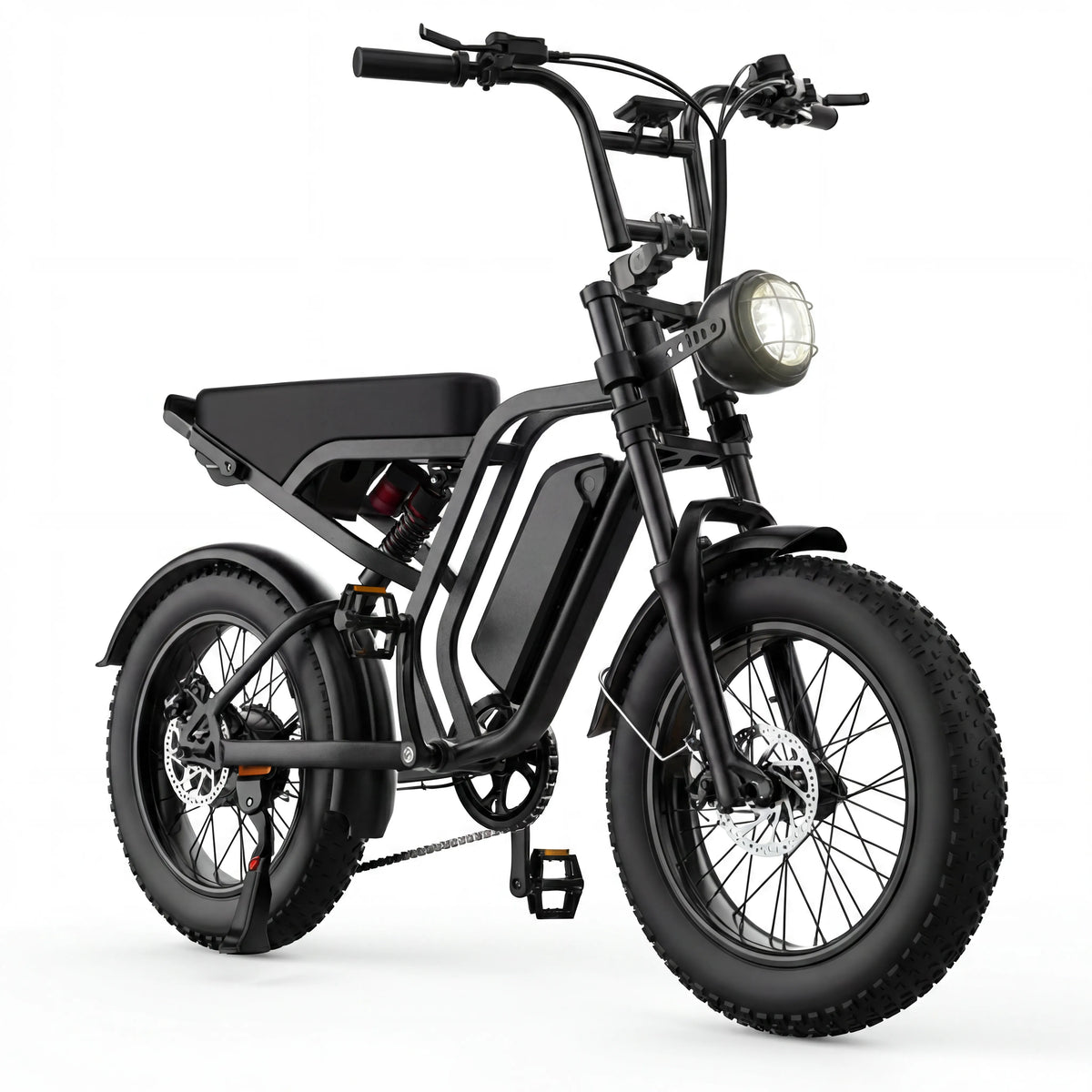
Opening an e-bike owner’s manual can feel less urgent than taking the first ride. The bike is assembled, the route is waiting, and the manual may look like something to save for a later problem. A better first-day habit is to use it as a map: find the instructions that apply to your exact model, make a few calm checks, and keep the document where you can reach it before a question turns into a rushed decision.
This guide is deliberately model-neutral. It does not tell you which button to press, what charging routine to use, how much weight to carry, where to ride, or how to adjust a component. Those details belong in the current instructions for your bike and in local rules. Start with the HIEHA e-bike collection to identify the current product information for a specific model, then use that model’s manual as the controlling source whenever it differs from a general checklist.
Keep the right version within reach
Before reading deeply, make sure the manual actually belongs to the bike in front of you. Look for the model name, version, date, or other identifying information in the document and compare it with the labels or product documentation you received. If the bike was bought secondhand, was assembled by another person, or came with a folder of mixed papers, do not assume that every page applies. Ask the manufacturer or a qualified retailer for the current manual when anything is unclear.
Save the official digital copy in a place you can find without searching through old messages. A bookmark, downloaded file, or clearly named folder is often more useful than a photo of one page. Keep the printed version dry and accessible too. The goal is not to memorize every warning on day one; it is to know where the correct answer lives when you need it.
Find the safety and intended-use section first
Start with the pages that explain intended use, rider requirements, warnings, and the conditions in which the bike should not be used. The Consumer Product Safety Commission advises micromobility riders to follow manufacturer directions, review safety information, and identify applicable weight and age limits. Those limits and instructions are model-specific, so this is the place to resist a friend’s estimate or a generic online rule.
Mark any warnings that affect your first ride: required protective equipment, passenger or cargo limits, surface or weather cautions, local-use reminders, and conditions that require stopping. You do not need to turn the manual into a test. A short list of the pages that affect your own setup is enough. If a warning seems vague, do not invent a more convenient interpretation; get clarification before treating it as permission.
Learn the controls while the bike is still parked
Next, find the diagrams and instructions for the display, power controls, assist settings, lights, brakes, bell or horn, and any removable parts. Read these while the bike is stable and you are not trying to leave a driveway or a busy trailhead. The manual should tell you what a symbol, message, or indicator means for your model. General advice cannot safely substitute for that mapping.
Practice only the actions the manual clearly describes and only in the conditions it specifies. If a control is unfamiliar, stop rather than pressing through menus until something changes. This is also a good moment to make sure keys, charging accessories, and any documentation are stored separately from moving parts and heat sources. For guidance on moving a powered bike calmly through a garage, doorway, or parking area, the e-bike walking checklist is a useful companion.
Read charging and battery information as instructions, not suggestions
Locate the manual’s charging, storage, inspection, and damage warnings before connecting a charger. Use the supplied or manufacturer-approved equipment exactly as directed; do not rely on a plug shape, a cable that fits, or a forum post to establish compatibility. The CPSC advises riders to follow all manufacturer directions and review safety information. That makes the model manual the right source for connector handling, charging location, timing, battery removal, and the response to damage or abnormal heat.
A general guide can help you organize questions, but it cannot answer them for every battery system. The e-bike battery charging guide can help frame a cautious routine; return to your own manual for the exact equipment, procedure, and warnings. If the battery, charger, cable, or connector looks damaged or behaves unusually, do not troubleshoot by trial and error. Pause and seek the manufacturer’s or a qualified professional’s direction.
Use the manual to guide a simple first check
Your manual may describe a pre-ride inspection or a first-use check. Follow that sequence rather than borrowing adjustment values or a maintenance interval from another bike. CPSC guidance tells riders to check for damage, including items such as handlebars, brakes, throttle, bell, lights, tires, cables, and frame. That is a useful reminder to look carefully, but it is not a substitute for the inspection details for your model.
Keep the check observational unless the manual gives you a procedure you understand. Look for loose, damaged, or changed parts; make sure the bike is clear of bags, rags, and obstacles; and do not begin a ride with a concern you cannot explain. Pair the manual’s instructions with the focused brake check and tire checklist when those topics apply. If a safety check indicates a problem, postpone the ride rather than using it as a test run.
Separate routine care from a repair decision
Find the manual’s maintenance schedule, approved care methods, and service contacts. This is useful even if you do not plan to work on the bike yourself. It tells you which jobs are ordinary owner observations and which require specialized tools, torque values, diagnostics, or a qualified technician. A manual may also identify parts that should not be modified or serviced outside its instructions.
Record a few practical details: the purchase date, a support contact, where the manual is saved, and any issue you noticed during the first check. The practical e-bike maintenance checklist can help organize routine observations over time. It does not authorize a repair that the model manual reserves for trained service. When the manual does not make a step clear, stopping is a sound maintenance decision.
Make the first short ride a learning ride
Once the manual’s prerequisites are met, choose a quiet, open place where you can begin slowly and pay attention. Bring the manual or your saved copy, keep the first route short, and avoid turning it into a speed, hill, cargo, or range experiment. Notice whether the controls, braking, steering, tires, and any normal indicators behave as the manual describes. If something feels different, return to a stable place and review the relevant section before deciding what to do next.
The value of an owner’s manual is not in reading every page once. It is in building a reliable first-day reference: the right document, the important sections marked, and a clear habit of checking before guessing. That habit makes later maintenance, charging, and riding questions easier to handle with the information designed for the bike you own.
After you understand the model-specific controls, use this e-bike low-speed practice checklist to plan a calm, traffic-free session before a regular ride.
Share:
E-Bike Chain Care: A Simple Between-Rides Checklist
E-Bike Storage Checklist: Keep Your Bike Ready Between Rides